Wellness Becoming More Important, What Consumers Pay For?
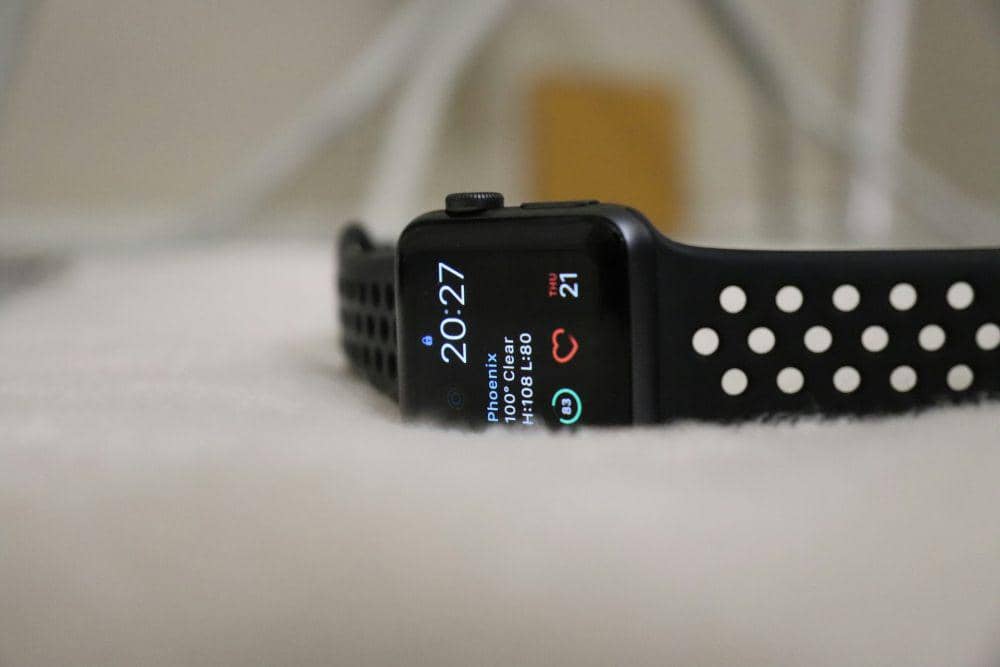
Wellness has become a daily decision across categories: 59% of consumers prioritize living healthily, supported by their consumption of fresh food, supplements, exercise, health apps, and wearables.
The wellness journey is becoming more digital and personal: 86% use health apps or wearables and 71% would ask AI first, yet many consumers struggle to stay motivated and find the time.
Interest in wellness is limited by budget and trust: 77% prioritize value for money, high premiums reduce interest, while transparency and validation from health professionals strengthen a product's value.
For Indonesian consumers, wellness is increasingly shifting from an aspiration to part of everyday decision-making. The meals cooked at home, the vitamins taken every morning, the paid workouts, and the health apps on their phones all show that health now appears at more points of consumption.
However, one thing is often overlooked when wellness growth is read purely as a market opportunity: the more important a need becomes, the more flexible willingness to pay for it does not necessarily become.
PwC Indonesia's data shows both sides at once. In Voice of the Consumer 2026, among 503 Indonesian respondents surveyed in February–March 2026, 59% prioritize living longer and healthier lives, while 51% prioritize stress reduction and improved mental wellbeing. In their daily behavior, 58% exercise regularly, 59% take vitamins, minerals, or supplements, and 86% use health apps or wearables.
But when wellness enters the shopping basket, consumers do not stop at the question "is this good for my health?" They also ask: what is the benefit, how relevant is it, can it be trusted, and is the price worth it?
That is where the real wellness opportunity lies. It is not merely about making consumers care more about health, but about making health benefits clear, credible, and relevant enough to deserve a place in their budget.
Wellness Is No Longer a Single Category
The first shift marketers need to recognize is the widening arena of wellness.
72% of Indonesian consumers regularly prepare food at home. Over the next 12 months, 73% plan to eat more fresh produce such as fruit and vegetables, 54% plan to take more vitamins and supplements, and 49% plan to eat more high-protein foods such as meat, poultry, and fish.
Wellness is also moving into services and experiences. 58% of consumers engage in regular physical activity. Among younger consumers the figure reaches 61%, compared with 43% among older consumers. Spending differs as well: 31% of younger consumers pay for gym memberships, fitness classes, or personal trainers, nearly three times the 11% of older consumers.
Garmin Connect data offers another view of how sports categories are evolving. Padel activity recorded by Garmin users in Indonesia rose 1,684% in 2025 compared with the previous year, followed by track running at 124% and tennis at 113%. Because this data comes from Garmin users, these figures are not a measure of sports participation growth across Indonesia's entire population. Still, as a behavioral signal among active users, they show how wellness continues to open up new categories and occasions.
Other local data shows the same pattern in health products. A Populix survey of 840 respondents in March 2026 found that branded vitamins and supplements were consumed by 60% of respondents in the past three months, followed by probiotic and digestive health drinks at 53% and isotonic/electrolyte drinks at 47%.
This means wellness should not be read as a stand-alone category. It is a cross-category need that connects food, FMCG, sports, technology, healthcare services, and lifestyle experiences.
For brands, the implication is important: wellness competitors do not always come from the same category.
The Consumer Journey Is Getting Longer
The expansion of categories is happening alongside a change in how consumers manage their health.
According to PwC, 86% of Indonesian consumers already use health apps or wearables. Adoption reaches 90% among younger consumers and 66% among older consumers. These devices are used for various needs, from medication reminders (35%) and sleep monitoring (33%) to exercise tracking (29%).
More importantly, 71% of consumers say they would ask AI first when looking for answers to health questions.
Yet more information does not automatically make the wellness journey easier. 73% of consumers find it hard to stay motivated and 67% feel they do not have enough time to achieve their health goals. As a result, 56% are interested in coaching and habit-building programs tailored to individual needs, while 40% are interested in health insight and diagnostic services.
This changes the unit of value in wellness.
Products are no longer judged solely by what they contain or do. Their value is also determined by how far they help consumers move from intention to habit, from data to understanding, and from understanding to action.
In other words, the consumer journey in wellness is getting longer. Consumers no longer just monitor their health; they also try to understand what the data is telling them, look for suitable guidance, and then translate it into daily action.
Brands that optimize only for the transaction sit at the shortest part of that journey. The room for differentiation can instead emerge after purchase, when consumers need help sustaining their behavior.
The Problem: Wellness Still Comes Out of the Same Budget
This is the central paradox of Indonesia's wellness market: demand can grow without willingness to pay growing at the same pace.
In the PwC survey, 77% of consumers prioritize value for money when choosing wellness products or services, while 64% consider cost an important factor. Half of respondents (50%) cite limited income as a barrier to achieving their health goals. Only 35% actively set aside a budget for health and wellness activities.
NIQ found a similar pattern. In the Global State of Health & Wellness 2025, 43% of Indonesian consumers cited high costs as one of the main barriers to living healthier, the same proportion as those who doubt the effectiveness of health products and services.
The limits of willingness to pay also become visible as premiums rise. For food products with added nutritional benefits such as vitamins, minerals, or fiber, 48% of Indonesian consumers are willing to pay a premium of more than 10%. When the premium reaches 20%, the proportion drops to 19%.
So the question is no longer whether Indonesian consumers are willing to pay for wellness. They already do.
The question is: at what price point do those benefits still feel worth it?
That is the value equation brands need to win.
What Is Being Bought Is More Than a Health Claim
Price, it turns out, is not the only variable in that equation. Consumers must also believe that the benefits they pay for are real.
NIQ records that 43% of Indonesian consumers doubt the effectiveness of health products and services. This is why recommendations from health specialists are the biggest influence on wellness purchases (77%), followed by access to detailed product information (69%) and the opportunity to ask questions or seek expert advice (65%). 62% also want clearer, easier-to-understand product labels.
PwC reinforces this pattern. 88% of consumers consider trust as important as price and quality, and 81% are willing to switch to brands that offer greater transparency. 42% even say they feel overwhelmed by too much or conflicting health information.
This pattern has business consequences.
In categories where benefits are hard for consumers to verify, brands must work harder to reduce uncertainty. Credibility is not merely a communication attribute. It helps consumers judge whether the price being asked is reasonable.
This is visible in wearables. 77% of consumers are willing to pay more for a device whose data can be reviewed by healthcare professionals.
Premiums, therefore, do not stand alone. They are easier to accept when consumers are given a credible reason to pay more.
Four Questions for Wellness Brands
If wellness is becoming more cross-category, the consumer journey is getting longer, and budgets remain limited, then brand strategy cannot stop at "making healthier products."
There are four questions that need to be answered.
1. What benefit are consumers really buying?
Claims such as natural, clean, or functional do not automatically explain value. With 42% of consumers overwhelmed by health information and 43% doubting the effectiveness of health products or services, brands need to translate claims into concrete, verifiable benefits. PwC notes that 78% of consumers expect clear information about products and how they work.
2. What price still feels reasonable?
If only 35% of consumers actively budget for wellness, and willingness to pay falls sharply as the premium rises from above 10% to 20%, then access to the category becomes part of the value strategy. Entry products, core products, and premium solutions can give consumers the option to enter, try, and then increase their spending once the benefits have proven themselves to them.
3. What evidence reduces doubt?
In wellness, trust needs to be designed as part of the proposition, not just as a message. Validation from health professionals, transparency of ingredients and processes, easy-to-understand labels, and data that professionals can review can all help reduce uncertainty. PwC shows that 77% of consumers are willing to pay more for wearables whose data can be reviewed by healthcare professionals.
4. What happens after the transaction?
73% of consumers struggle to stay motivated and 67% lack time, while 56% are interested in coaching and behavior-change programs. This opens room for brands to build value after purchase: tracking connected to personalized recommendations, habit programs, or ongoing engagement.
However, community is not automatically the answer. Only 12% of consumers frequently take part in community-based wellness activities, while 25% are interested in social and community offerings.
Wellness Is Moving from a Product Category to a Value Equation
The biggest change in Indonesian wellness may not be the growing number of health products, gyms, wearables, or apps.
The change lies in how consumers decide whether all of these deserve a place in their lives and budgets.
PwC's data shows that wellness aspirations are already strong. NIQ shows that consumers are willing to invest but still face price limits and doubts about effectiveness. Behavioral data from Garmin and Populix shows that this need has already translated into activity and consumption across multiple categories.
For this reason, wellness growth should not be read solely as demand growth.
What is growing is consumers' standard for value.
The more wellness options there are, the more important it is for brands to answer four things clearly: what benefit they deliver, what evidence supports it, who truly needs it, and why the price is worth paying.
Wellness is becoming more important. But for Indonesian consumers, important does not necessarily mean a priority.
To become a priority, wellness must feel worth it.
References
Garmin Indonesia. (2025, December 12). Garmin Connect Data Report 2025: Masyarakat Indonesia tunjukkan tren positif menuju gaya hidup lebih aktif dan sehat [Garmin Connect Data Report 2025: Indonesians show a positive trend toward a more active and healthier lifestyle] [Press release]. Accessed September 29, 2026.
NielsenIQ. (2025, July 10). NIQ: Indonesian consumers reassess health priorities, seek greater transparency, support, and smart solutions [Press release]. Accessed September 29, 2026.
PwC Indonesia. (2026, September 3). Wellness is no longer occasional: Indonesians seek healthier lives through technology, trust and community, PwC survey finds [Press release]. Accessed September 29, 2026.
Katadata Databoks. (2026, May 18). 8 Jenis Produk Kesehatan yang Dikonsumsi Warga RI Awal 2026 [8 types of health products consumed by Indonesians in early 2026]. Accessed September 29, 2026. Data sourced from the Populix survey, March 2026.