- raising prices;
- reducing vouchers or discounts;
- changing shipping subsidies;
- reducing promotional intensity;
- or changing their sales strategy on the marketplace.
Marketplace Tax in November: Will Online Shopping Be More Expensive?
14 min read

Intinya Sih
Starting 1 November 2026, designated marketplaces will collect Article 22 Income Tax (PPh 22) at 0.5% of domestic merchants' gross turnover. This changes the collection mechanism; it does not create a new tax.
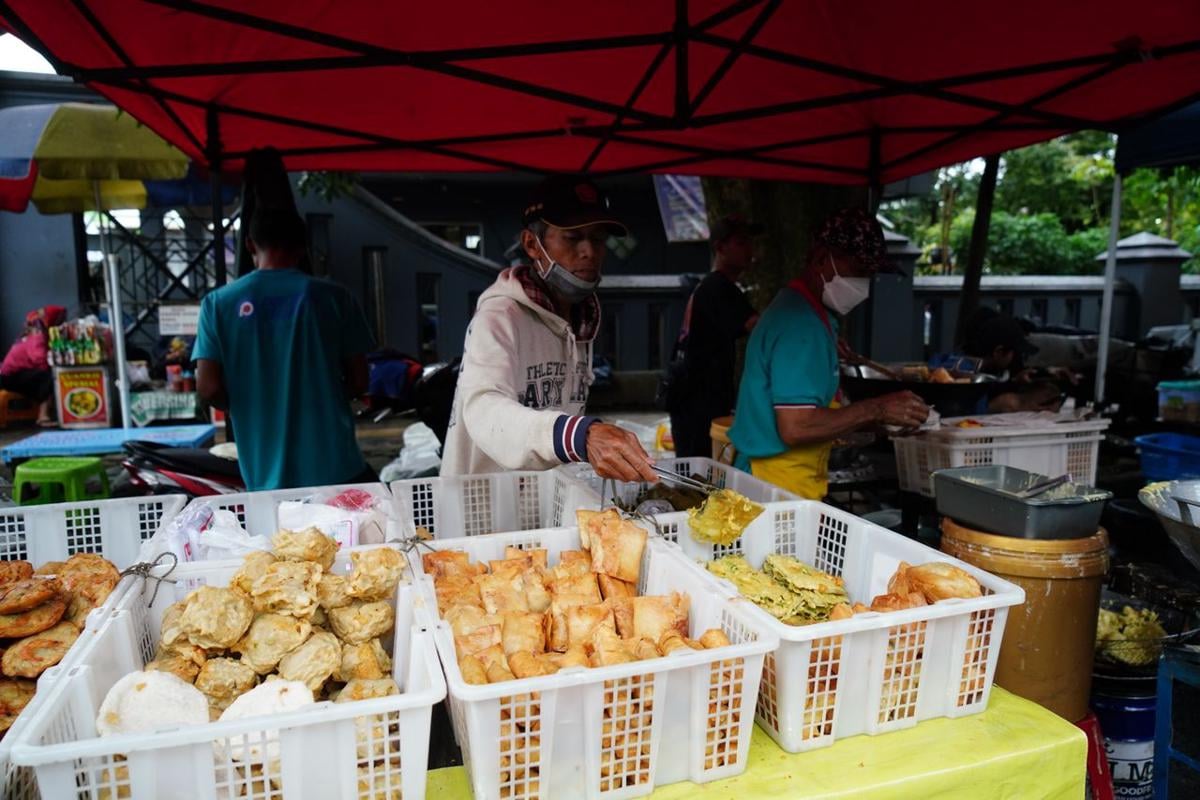
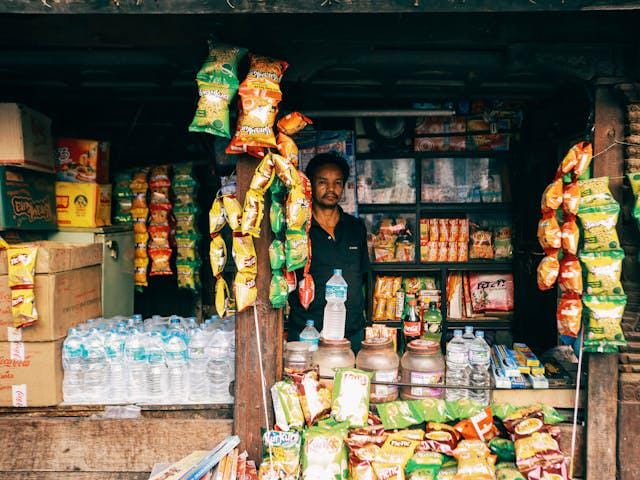
The tax is collected from sellers, not added directly at checkout. Consumer prices will not automatically rise, but sellers may adjust prices, promotions, advertising, shipping subsidies, or sales channels.
Brands need to evaluate net payout, contribution margin, promotion costs, affiliate costs, and conversion by channel. Individual sellers may qualify for an income-tax exemption on turnover of up to IDR 500 million, subject to the applicable provisions.
This section summary was AI-assisted and reviewed by our editorial team.
Starting 1 November 2026, government-designated marketplaces will collect Article 22 Income Tax (PPh 22) on the income of domestic merchants selling through digital platforms. The rate is 0.5 percent of gross turnover, in accordance with the regulations.
The policy was previously scheduled to take effect earlier, but was postponed until 31 October 2026. The Directorate General of Taxes (DJP) stressed that the postponement changes only the timing of implementation, not the substance of the policy. October is therefore a preparation period before the collection mechanism resumes in November.
So, does this mean online shopping prices will automatically become more expensive? Not necessarily.
This PPh 22 is collected from merchants' income through marketplaces, not directly from consumers. The policy also does not introduce a new type of tax. Previously, merchants remitted their own taxes in accordance with tax regulations. Under the new mechanism, collection is carried out through designated marketplaces. The PPh 22 collected can also be credited against Final Income Tax (PPh Final) or treated as a tax credit, depending on the merchant's tax regime.
However, precisely because the tax enters through the seller side, its impact does not stop at administration.
Sellers may absorb the change in their cost structure, adjust prices, reduce promotions, change advertising spend, or re-evaluate their sales channels. For consumers, these responses may appear not as a "tax" on the checkout page, but as changes in prices or promotions.
For brands, the question is even broader.
If the economics of a transaction change, does the marketplace still generate the same value once all channel costs are taken into account?
This is where the change in PPh 22 collection becomes relevant to channel strategy, pricing, promotion, affiliates, and marketing budget allocation.
What Is Actually Changing?
Minister of Finance Regulation (PMK) Number 37 of 2025 provides that marketplaces may be designated as parties that collect PPh 22 on the income of domestic merchants transacting through electronic system-based trade (PMSE).
DJP has stressed that PMK 37/2025 does not introduce a new type of tax. The main change is the collection mechanism: from the tax being remitted by merchants themselves to being collected through designated marketplaces.
In simple terms, the mechanism can be seen as follows:
Component
Provision
Collecting party
Government-designated marketplace
Party subject to collection
Domestic merchants who meet the requirements
Rate
0.5% of gross turnover, in accordance with the regulations
Basis
Gross turnover, excluding VAT and Luxury Goods Sales Tax (PPnBM)
Time of collection
When payment is received by the marketplace
Position for merchants
Can be credited against Final Income Tax (PPh Final) or treated as a tax credit
The four marketplaces previously designated by the government were Blibli, Shopee, Tokopedia, and Lazada. After implementation was postponed, DJP stated that the earlier designation was cancelled and that marketplaces will be re-designated for the next implementation period.
Thus, the main change is not the emergence of a new tax component in the business, but a shift in the point of collection.
For brands that have already been fulfilling their tax obligations, this change needs to be read together with cash flow, transaction reconciliation, and tax reporting.
This means marketplace dashboards are not enough if they only track GMV.
Finance and marketing need to understand how a transaction becomes a payout, and then becomes contribution margin.
Not All Sellers Face the Same Impact
One important part of this regulation is the IDR 500 million threshold.
Individual taxpayers who meet the requirements may receive a facility under which no income tax is imposed on gross turnover of up to IDR 500 million in a tax year. For marketplace collection purposes, sellers must submit a statement letter in the required format.
This threshold is also not calculated by separating turnover by marketplace account.
This means a seller with several online stores or physical stores needs to look at the business's turnover in aggregate, in accordance with the regulations. DJP gives an example: once the combined turnover of the business has exceeded IDR 500 million in the current year, PPh 22 collection may begin to apply in accordance with the regulations, including when the merchant sells through more than one marketplace.
For brands that work with resellers, merchant partners, or seller networks, this information is relevant because partners' tax status can differ even when they sell the same products.
In addition, Government Regulation (PP) Number 20 of 2026 retains the 0.5 percent Final Income Tax facility for certain groups of taxpayers who meet the requirements, including individual business operators with certain levels of gross turnover. The eligibility for this rate remains tied to the IDR 4.8 billion turnover threshold under the applicable provisions.
Therefore, partner segmentation cannot rely solely on GMV or order volume.
For brands that manage many resellers, marketplace partners, or seller networks, sellers' tax status also deserves a place in channel planning, rather than being treated merely as a finance administration matter.
0.5 Percent Looks Small, but in Marketplace Economics, Not Necessarily
In nominal terms, 0.5 percent looks small.
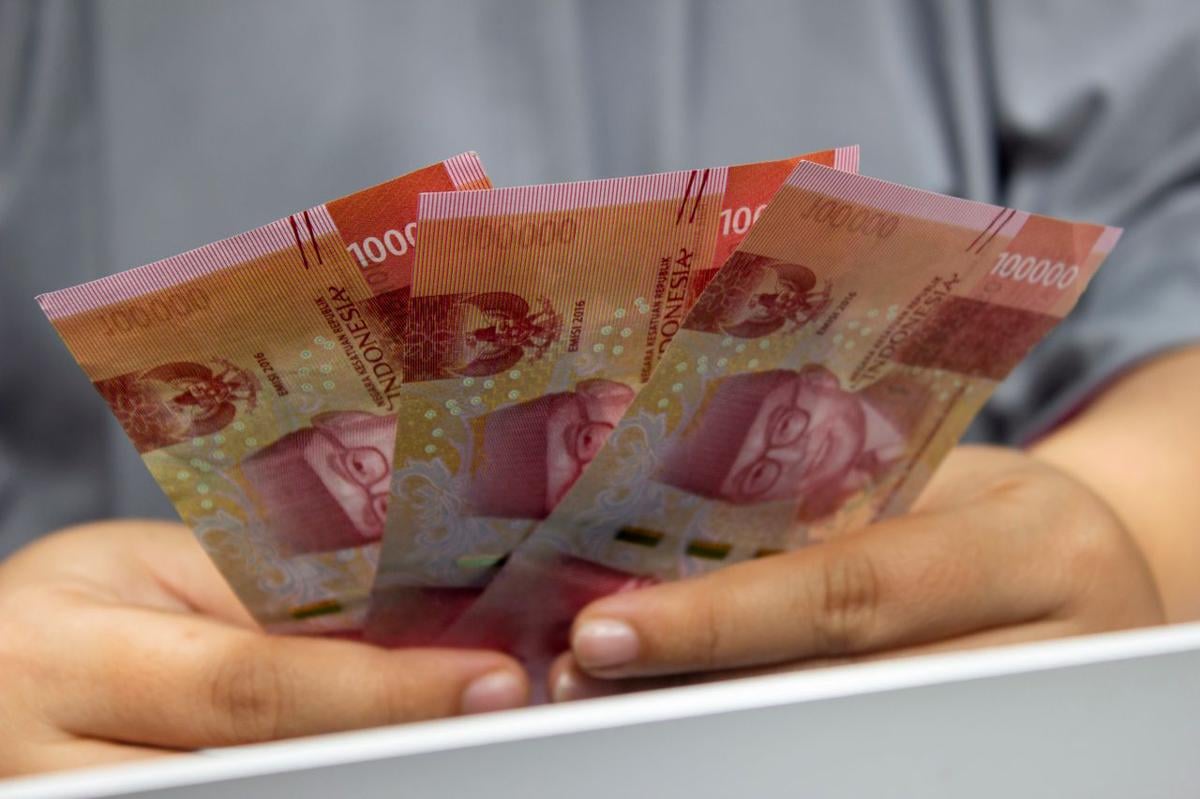
On a transaction of IDR 100,000, for example, it equals IDR 500, before taking into account the provisions and each merchant's tax status.
However, a marketplace transaction does not consist only of the price of goods and tax.
Sellers may bear platform fees, advertising costs, affiliate commissions, vouchers, shipping subsidies, fulfillment, return costs, and the costs of generating traffic and conversion.
For that reason, the 0.5 percent change needs to be read as part of the overall cost structure of a transaction.
Sellers' responses will not necessarily be the same either.
Some sellers can absorb the impact within their cost structure. Some may adjust prices. Others may reduce promotional intensity or change their channel mix if the contribution margin from the marketplace becomes less attractive than other channels.
In other words, PPh 22 collection does not automatically mean consumer prices will rise.
A price change is one possible business response, not a direct consequence of the collection mechanism itself.
For sellers who already meet their tax obligations, the PPh 22 collected can also be counted as a credit against Final Income Tax or as a tax credit, depending on their tax regime. Therefore, describing the entire 0.5 percent as an additional cost that automatically reduces profit would oversimplify the mechanism.
The more relevant question for brands is then not:
"How large is the tax?"
But rather:
"How much value remains from a transaction after all channel costs are taken into account?"
Categories with thin margins and high transaction volumes may need to re-run their simulations. This is not only to determine pricing, but also to see whether the combination of promotions, advertising spend, affiliate commissions, and channel costs still produces a return that matches business targets.
Ultimately, Who Bears the Change?
There is no single response that applies to all sellers.
Changes in economics can flow through several paths.
Sellers absorb it
→ contribution margin falls.Sellers adjust prices
→ the price paid by consumers may change.Sellers reduce promotions
→ the effective price consumers experience may change even if the product price does not.Sellers reduce advertising spend
→ traffic and conversion may change as well.Sellers change their channel mix
→ some investment may shift to their own website, social commerce, or offline channels.However, the path is not always as simple as "tax goes up, prices go up." The PPh 22 collected can serve as a credit against Final Income Tax or as a tax credit, depending on the merchant's tax regime.
For that reason, the mechanism is better read as:
collection mechanism changes → seller economics need to be recalculated → business responses may differ → the impact on consumers depends on those responses.
This is where the tax issue meets marketing strategy.
Why the Impact Needs to Be Read Now
The change in tax mechanism is happening as marketplaces become increasingly connected with content commerce.
The e-Conomy SEA 2025 report from Google, Temasek, and Bain & Company recorded that the number of sellers using video in Indonesia rose 75 percent year on year to around 800,000. The annual volume of transactions through video commerce also rose 90 percent to 2.6 billion transactions.
Indicator
Data
Sellers using video
800,000
Seller growth
+75% YoY
Video commerce transaction volume
2.6 billion
Transaction growth
+90% YoY
This growth shows that marketplaces are increasingly connected with content-led commerce activity.
Sellers can sell through live shopping, while creators or affiliates help generate traffic and conversion. As a result, decisions about sales channels are moving closer to decisions about content, creators, promotion, and performance marketing.
A marketplace is no longer just a place where consumers come to check out.
It is increasingly becoming a meeting point for:
discovery → content → creator → promotion → payment → conversion
As more of these activities take place within the same ecosystem, small changes in marketplace economics become more relevant to marketing decisions.
What Does This Mean for Consumers?
For consumers, the most important thing is to distinguish between the tax collected from sellers and the price consumers pay.
PPh 22 under this scheme is not added as a new tax component at checkout. It is collected by the marketplace on the income of merchants who meet the requirements.
For this reason, consumers will not automatically see product prices rise by 0.5 percent starting in November.
However, consumers may still feel an indirect impact if sellers respond to the change in economics by:
This means what consumers should watch is not merely whether there is a "new tax," but how the effective price changes after promotions and incentives change.
For consumers, the price listed on the product page is not always the only indicator of a change in value. What is more relevant is the final price to be paid and the benefits received from the transaction.
What Should Brands Re-Read?
If marketplaces increasingly function as both a sales channel and a medium for generating conversion, evaluation needs to move from GMV alone toward profitability.
1. Not Only How Much GMV, but How Much Net Payout
GMV remains important for reading transaction scale.
However, marketers also need to know how much value sellers actually receive after the various deductions and relevant obligations.
Net payout does not mean profit. The figure still needs to be compared against cost of goods sold, fulfillment, promotions, advertising, affiliate commissions, and other costs to arrive at contribution margin.
2. Not Only the Largest Channel, but Contribution Margin per Channel
Marketplaces, own websites, social commerce, and offline stores can generate the same revenue with different cost structures.
Therefore, brands need to compare contribution margin across channels, not just compare GMV.
A more useful question is not:
How many transactions does the marketplace generate?
But:
How much value remains after the costs of generating those transactions?
3. Not Only Cost per Conversion, but the Full Cost-to-Convert
As transactions depend increasingly on a combination of advertising, promotions, affiliates, and live commerce, cost-to-convert becomes increasingly important.
Brands need to look at how much it costs to generate one conversion and how that cost changes when the marketplace structure also changes.
4. Not Only Competitive Prices, but Pricing Architecture
If channel cost structures change, pricing architecture also needs to be evaluated.
Brands can simulate several scenarios: keeping prices unchanged with different margins, adjusting prices to the cost structure, or reducing promotions to maintain contribution margin.
These decisions still need to take into account price elasticity, competitive positioning, and conversion rate. Not all categories have the same room to pass cost changes on to consumers.
5. Not Only Creator GMV, but Economics per Collaboration
Affiliate and live commerce should not be assessed solely on the amount of GMV they generate.
Brands need to look at the combination of creator fees, affiliate commissions, conversion rate, average order value, repeat purchase, and contribution margin.
That way, decisions about creators or live hosts can be made based on economics per collaboration, not just reach or GMV.
6. Not Only a Finance Matter, but an Input to the Marketing P&L
Tax is indeed in the domain of finance, but the effects of a change in the collection mechanism can intersect directly with marketing decisions.
When marketing determines channels, promotions, creator partnerships, and conversion targets, all of these decisions ultimately affect transaction economics.
For that reason, this change deserves to be read jointly by marketing, finance, and sales.
Not to turn tax into a marketing metric, but to ensure that decisions about growth are still read together with the economic value they generate.
From GMV to the Value That Remains
The growth of digital transactions shows that Indonesian consumers are becoming increasingly accustomed to conducting economic activity through digital channels.
Bank Indonesia recorded that the volume of digital payment transactions reached 6.11 billion transactions in August 2026, growing 40.36 percent year on year. Mobile banking transactions grew 47.08 percent, while QRIS transactions grew 67.22 percent.
In an ecosystem like this, a marketplace is no longer merely a place to check out. The platform can become a meeting point for discovery, content, promotion, payment, and conversion.
For this reason, the change in the PPh 22 collection mechanism needs to be read in a broader context.
For consumers, that 0.5 percent does not automatically mean online shopping prices will rise. What may change is how sellers manage prices, promotions, and sales channels in response to their economics.
For brands, the challenge is not merely knowing that a 0.5 percent collection begins in November.
What matters more is understanding how each channel generates revenue after all costs and obligations are taken into account.
GMV remains an indicator of scale.
But as marketplaces, live commerce, affiliates, and performance marketing become more integrated, contribution margin and profitability per channel become increasingly important for reading a channel's economic value.
Ultimately, marketplace tax is not only a question of how large a deduction occurs on a transaction.
The bigger question is: how much value actually remains after that transaction takes place?
That is the figure to read when a marketplace is no longer merely a place to sell, but has become part of how brands build traffic, drive conversion, and allocate growth.
References
(Source titles are kept in the original Indonesian, as is standard practice; English glosses are given in brackets for reference.)
Abhigail, M. F. (2026, 31 July). Seller online wajib tahu: Panduan lengkap pemungutan PPh Pasal 22 oleh marketplace (PMK 37/2025) [Online sellers must know: A complete guide to Article 22 Income Tax collection by marketplaces (PMK 37/2025)]. Tax Center UNSIKA.
Bank Indonesia. (2026, 23 September). BI-Rate tetap 5,75%: Memperkuat stabilitas, mendorong pertumbuhan ekonomi [BI-Rate held at 5.75%: Strengthening stability, driving economic growth] (Press Release No. 28/193/DKom).
DDTCNews. (2024, 31 July). Jadi afiliator marketplace, harus setor dan lapor PPh 21 sendiri? [Becoming a marketplace affiliate: must you remit and report Article 21 Income Tax yourself?]
Direktorat Jenderal Pajak. (2025, 25 June). Keterangan Tertulis tentang Rencana Penunjukan Marketplace sebagai Pemungut PPh Pasal 22 atas Transaksi Penjualan Barang oleh Merchant dengan Mekanisme Perdagangan Melalui Sistem Elektronik (PMSE) [Written Statement on the Plan to Designate Marketplaces as Collectors of Article 22 Income Tax on Goods Sales Transactions by Merchants Through Electronic System-Based Trade (PMSE)].
Direktorat Jenderal Pajak. (2026, 1 July). Pemerintah Implementasi PMK 37/2025 Melalui Penunjukan Empat Marketplace Sebagai Pemungut PPh [Government Implements PMK 37/2025 Through the Designation of Four Marketplaces as Income Tax Collectors].
Direktorat Jenderal Pajak. (2026). Penundaan Waktu Pemberlakuan Ketentuan Pemungutan PPh Pasal 22 oleh Marketplace [Postponement of the Effective Date of Article 22 Income Tax Collection Provisions by Marketplaces].
Direktorat Jenderal Pajak. (2026). Pemungutan PPh oleh Marketplace [Income Tax Collection by Marketplaces].
Firdausa, A. A. (2026, 18 June). Affiliator: Cuan jalan, pajak aman [Affiliates: Earnings flowing, taxes safe]. Direktorat Jenderal Pajak.
Google Indonesia. (2025, 13 November). e-Conomy SEA 2025: Ekonomi digital Indonesia mendekati GMV US$100 miliar tahun ini [e-Conomy SEA 2025: Indonesia's digital economy nears US$100 billion GMV this year]. Google Indonesia Blog.
Hidayat, F. (2026, 3 June). PP 20/2026: Tarif PPh 0,5% bagi UMKM orang pribadi berlaku selamanya [PP 20/2026: The 0.5% income tax rate for individual MSMEs applies indefinitely]. Direktorat Jenderal Pajak.
Pajakku. (2026, 20 July). Rangkuman tanya jawab webinar Pajakku x DJP: Jualan online bakal dipotong pajak langsung oleh marketplace? (PMK 37/2025) [Summary of Q&A from the Pajakku x DJP webinar: Will online sales be taxed directly by marketplaces? (PMK 37/2025)].
Silfia, I. (2026, 18 September). Dirjen Pajak sebut pemungutan PPh marketplace berlaku 1 November [Director General of Taxes says marketplace income tax collection takes effect 1 November]. Antara.
Simanjuntak, A. K. M. (2026, 22 September). Soal pemungutan PPh Pasal 22, marketplace tunggu kepastian dari DJP [On Article 22 Income Tax collection, marketplaces await certainty from DJP]. DDTCNews.
Subekti, R. (2026, 31 July). Shopee hingga Tokopedia pungut pajak besok, ekonom waswas harga barang naik [Shopee to Tokopedia to collect tax tomorrow, economists worry goods prices will rise]. Katadata.co.id.
Wildan, M. (2026, 6 August). Marketplace wajib kembalikan PPh 22 yang telanjur dipungut dari seller [Marketplaces must refund Article 22 Income Tax already collected from sellers]. DDTCNews.
Yandiawan, D. (2025, 15 July). Simak! Baru terbit PMK 37/2025, pengelola platform lokapasar kini pungut PPh Pasal 22 [Take note! PMK 37/2025 newly issued, marketplace platform operators now collect Article 22 Income Tax]. Direktorat Jenderal Pajak.