Sports Are Growing, and Community and Spending Are Moving With Them
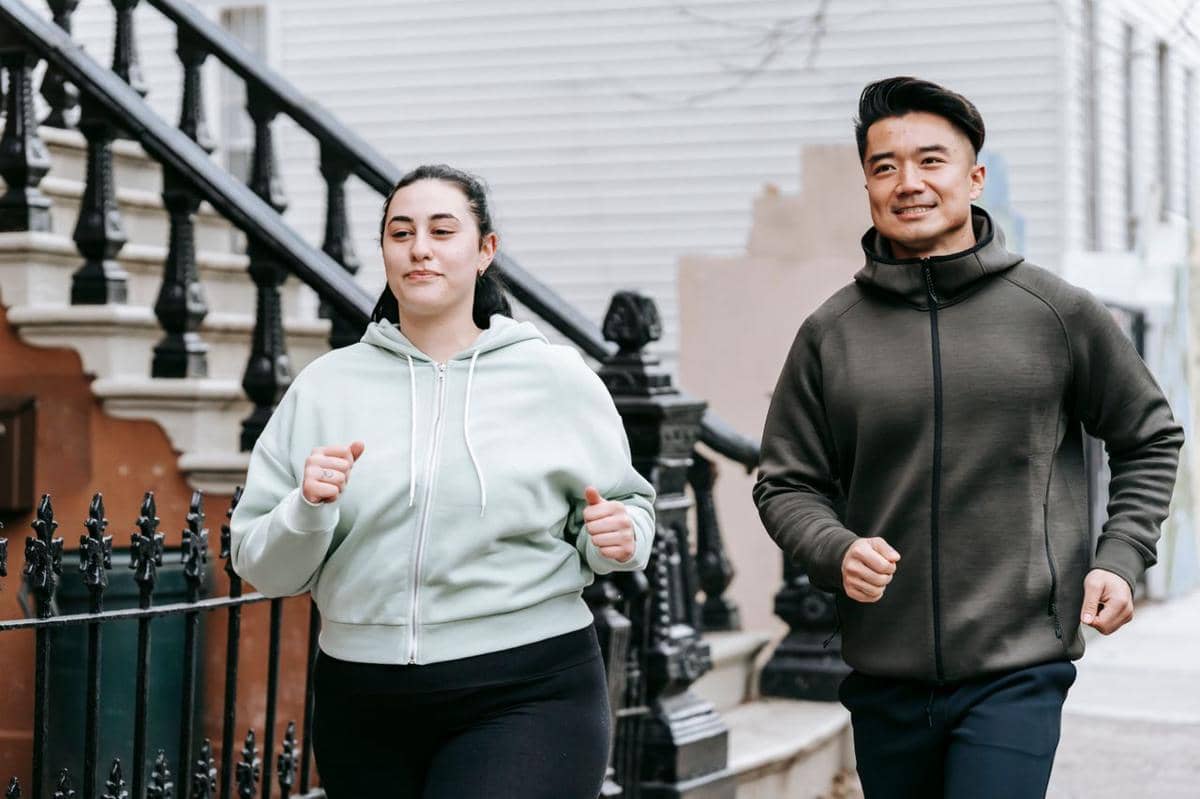
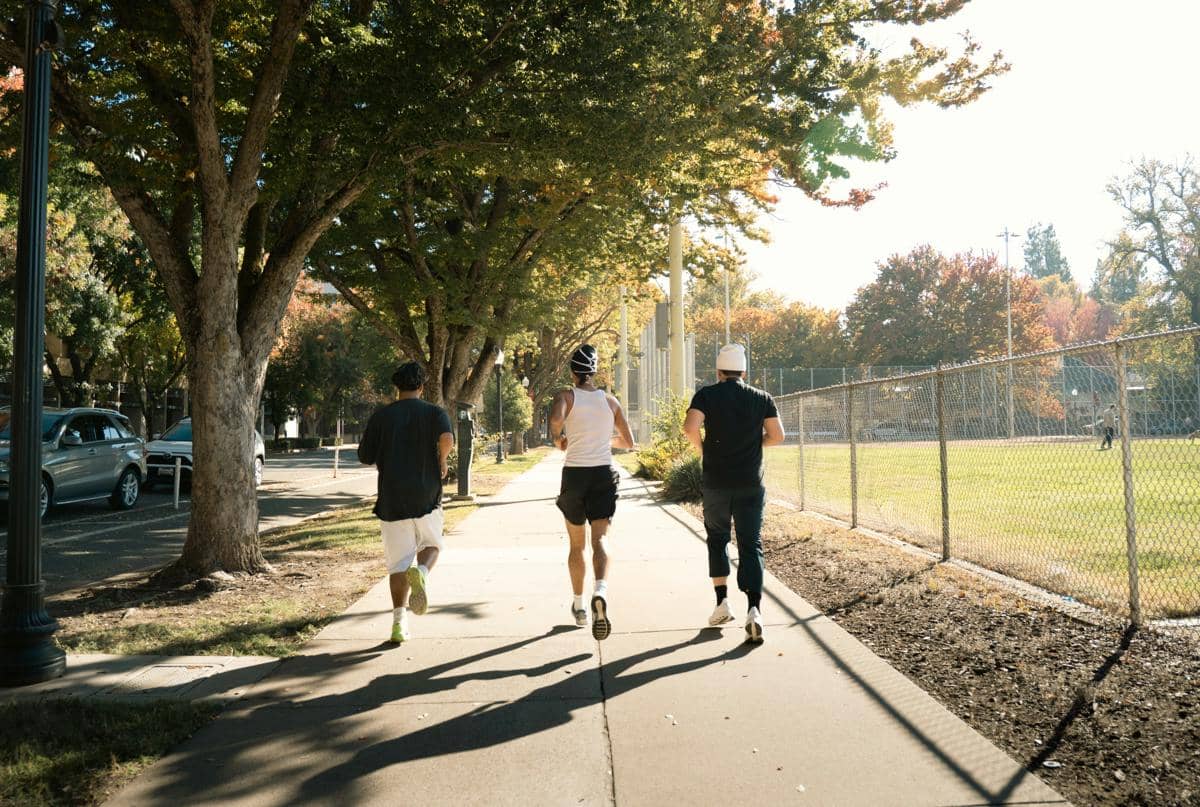
Running clubs, the number of runners, and sporting events in Indonesia have grown rapidly; 558 running events were recorded in 2025, while more than 500 events were held across 34 provinces in 2026.
Sport has also become a social space: some Populix respondents gather after exercising, and 91 percent believe physical activity can help build relationships or networking.
The growth of sport is driving spending on gear, fitness services, and event travel; 64 percent of respondents paid for a sport activity, while several marathons recorded a major economic impact for their host cities.
The number of clubs and sporting events is rising, while a Populix survey shows that sport is also connected to social activity and spending on gear, classes, and gym memberships.
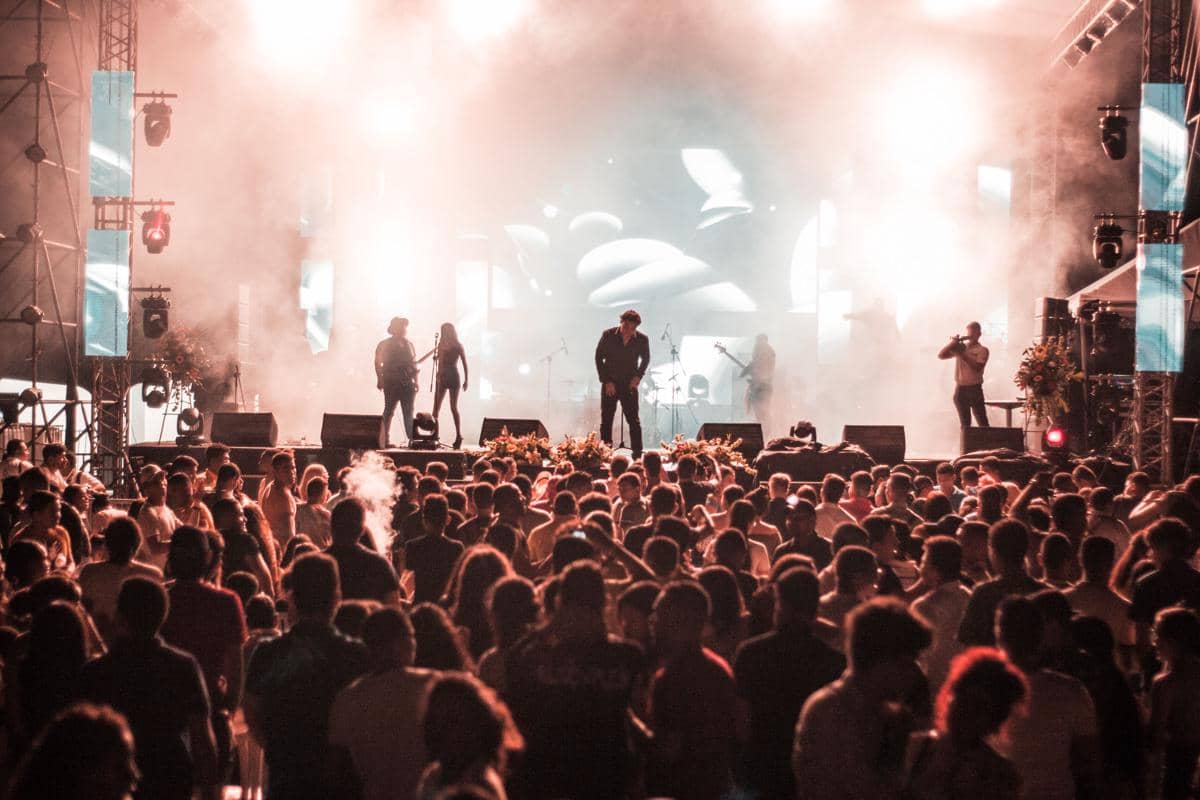
Sport is no longer just about how often someone runs, goes to the gym, or takes a fitness class. Around it, communities, sporting calendars, and various forms of consumption are growing and shaping new routines. As the number of clubs and events increases, sporting activity is also becoming more closely tied to how people spend their time, meet other people, and spend money.
This development is visible in the growth of running communities and events over the past few years. The number of clubs has grown, the number of recorded runners has increased, and the event calendar has become busier. The Populix survey also shows that sporting activity does not stand alone, but is linked to social activity as well as spending on sports gear, classes, and gym memberships.
Clubs, Runners, and Events Growing Together
Over the past few years, sport and sporting events have become part of the social routine in many Indonesian cities. Physical activity now goes hand in hand with matters of health, fitness, and leisure time. This growth is most easily read in its community infrastructure. Strava data cited by The Jakarta Post shows that the number of running clubs in Indonesia in 2025 was nearly six times the 2024 figure (Hermanus, 2026). Over a similar period, the number of recorded runners rose from around 56,000 in January 2024 to 242,627 in May 2025, an increase of about 330 percent (Zakia, 2025).
The calendar has also lengthened. GoodStats recorded 558 running events throughout 2025, the highest figure compared to previous years, with November as the busiest month, holding 112 events. Jadwal Lari Indonesia data cited in the same report recorded 458 events in 2024 (Zakia, 2025). For 2026, The Jakarta Post reported more than 500 running events taking place across 34 provinces and more than 200 cities, about five times the number in 2022 (Hermanus, 2026). The two counts use different bases, so they cannot be directly compared. What is consistent between them is the geographic spread.
The three figures above measure different things: the people who run, the clubs that host them, and the events they attend. All three are moving in the same direction over the same period. A more useful question than how fast this growth is happening is what else is growing alongside it.
Sport as a Reason to Gather
A Populix survey of 840 Indonesian workers, conducted from March 23 to 30, 2026, recorded what happens after a sport session ends. Of the 809 respondents who exercise, 39 percent usually hang out or grab coffee, 37 percent eat together with friends or their community, and 22 percent continue socializing into the evening. Sixty percent go straight home, so this habit applies to a portion of respondents, not yet the majority.
The reasons people exercise are split between personal matters and relationships. In the same survey, 60 percent of respondents cited "me time," 53 percent cited time with a partner or family, 40 percent cited building professional relationships, and 33 percent cited community involvement. As many as 91 percent agreed that sport can serve as a means of building relationships or networking. These figures explain why the growth in clubs has moved in step with the growth in runners. Some people show up to exercise, others show up because other people are there.
The habit of exercising together also appears in runner data. The Jakarta Post reports that about a third of runners now choose to run with a community, with the largest share coming from Gen Z, while the average Indonesian runner covers about 16 kilometers per week (Hermanus, 2026).
For context, Strava recorded that the number of new clubs on its platform nearly quadrupled in 2025, bringing the total to one million clubs, with hiking clubs growing 5.8 times and running clubs 3.5 times. Club organized activities rose 1.5 times compared to the previous year (Strava, 2025). This figure measures Strava's entire user base across more than 185 countries and does not apply specifically to Indonesia.
Running Dominates Events, Daily Activity Is More Varied
A busy calendar and growing communities have made running the most visible form of sport. The daily activity recorded in the survey extends more broadly than that.
When Populix asked the 809 respondents who exercise about the types of sport they usually do, allowing up to three answers, the running and outdoor category led at 67 percent. This was made up of jogging at 45 percent and walking at 33 percent, while official running events such as 5K, 10K, half, and full marathons were recorded at 2 percent. That 2 percent figure measures how often running events form part of someone's regular exercise routine. Event participation rates were measured through a separate question in the same survey, and the result showed that 65 percent of respondents had taken part at least once in the past year.
Other categories were filled fairly evenly. Team sports stood at 32 percent, cycling at 30 percent (with casual cycling at 26 percent), racquet and court sports at 29 percent (with badminton at 21 percent), home workouts via free videos at 21 percent, gym and weight training at 25 percent, and yoga and pilates at 14 percent. Padel was recorded at 4 percent, slightly above running events (2 percent) and road cycling (3 percent).
A similar pattern appears in Strava's global data. More than 54 percent of its users logged more than one type of sport throughout 2025, and walking ranked second as the most recorded activity (Strava, 2025). The most frequently done activities are the cheapest and closest to home.
Already Part of the Weekly Calendar, Not Yet Fully Stable
Populix classified 81 percent of its respondents as regular exercisers, 14 percent as occasional exercisers, and 5 percent as non exercisers. The typical frequency is low but consistent: 62 percent exercise once or twice a week and 22 percent do so three to four times, with an average of 2.23 sessions per week. The average session lasts 49.75 minutes, and 65 percent fall within the 30 to 60 minute range.
This routine is still easily disrupted. When asked about changes in habits during Ramadan and after Eid al-Fitr, 49 percent said they kept exercising without change, while 51 percent experienced a reduction, a pause, or only started exercising during that period. The survey was conducted right after that period, so the figures capture a disruption to routine that was still fresh in respondents' minds.
Future intentions remain high. As many as 67 percent of respondents who exercise plan to increase their frequency over the next six months, 31 percent plan to maintain it, and 82 percent are open to trying a new type of sport. It should be noted that the Populix sample consists of workers, 84 percent of whom live in Java, with 47 percent belonging to the upper socioeconomic group. The routine picture described above applies to that group.
The Money Spent Around Sport
The most concrete part of this growth shows up in spending. Of the 809 Populix respondents who exercise, 64 percent paid for something related to sport in the past three months: 29 percent for gym membership, 24 percent for one off payments for classes, court rentals, or events, 16 percent for studio subscriptions, and 15 percent for fitness app subscriptions. The remaining 36 percent said all of their sporting activity was free. This group's average monthly spending was Rp391,844.
Spending on goods extends more broadly than spending on activities. Over the past 12 months, 72 percent bought sportswear, 67 percent bought shoes, 44 percent bought accessories such as bags, caps, and water bottles, 30 percent bought wearables, and 28 percent bought training equipment. Only 3 percent bought nothing at all. Consumption of health products follows a similar pattern. Of 840 respondents, 60 percent consume branded vitamins and supplements, 53 percent consume probiotic drinks, and 47 percent consume isotonic drinks, with the main reasons being immunity (63 percent), energy (49 percent), and recovery after activity (44 percent).
At the market level, an analysis by Mandiri Institute published in The Jakarta Post estimates Indonesia's sportswear market at around Rp38.5 trillion in 2025, growing 8 percent annually, with a projection of Rp58.6 trillion by 2030. Running shoes accounted for about 42 percent of sports footwear sales on Indonesia's largest marketplace in 2025, and one local brand held 36 percent of sales among the ten best selling running shoes there (Hermanus, 2026).
Events as a Reason to Gather and Travel
A Snapcart survey of 1,361 Indonesian respondents, published on May 12, 2026, mapped out who attends running events and why. As many as 39 percent had never taken part, 24 percent had taken part once, 15 percent take part often, and 13 percent plan to take part. Respondents were predominantly women (75 percent) and aged 25 to 34 (41 percent).
The most commonly joined format was the fun run (61 percent), far ahead of competitive categories. More than half (53 percent) attended with friends, 20 percent alone, 14 percent with family, and 7 percent with a partner. The biggest reason for joining an event was to have fun (34 percent), followed by health (26 percent), while competitive motivations such as medals and prizes ranked far lower. When asked about their main goal on the day, 46 percent said having fun and 20 percent said finishing the race. How people found out about events followed the same social pathway: 56 percent learned about events from social media, 27 percent from friends' recommendations, and 12 percent from running communities.
The economic impact is measurable at the city level. During the 2026 Mandiri Jogja Marathon, which was joined by 10,200 runners, up from around 6,000 at its first edition in 2017, the Mandiri Spending Index in Yogyakarta and its surrounding areas rose 7.4 percent during race week, a 1.6 times increase compared with the 2025 edition. Weekly spending growth, which had previously been around 0.5 percent, jumped to 7.3 percent. Transportation spending rose 21.9 percent, restaurant spending 10.1 percent, and hotel spending 6.4 percent (Hermanus, 2026). GoodStats recorded a similar pattern at other events: the 2025 BTN Jakarta International Marathon, with 31,000 participants from 53 countries, generated an economic turnover of Rp127.1 billion, while the 2025 Maybank Marathon in Bali recorded a direct economic impact of Rp170.8 billion, up from Rp125 billion the previous year (Zakia, 2025).
For Gen Z, Friends Make the Difference
The biggest barrier keeping Gen Z from attending sporting events has to do with other people. Of 409 Gen Z respondents aged 17 to 29 who had never or rarely attended an event, 25 percent said they would not attend without friends or a community, and 21 percent said they were worried about injury or exhaustion. Among 323 Millennial respondents aged 30 to 45, the biggest barrier was a schedule that did not fit (46 percent), while social reasons were cited by 18 percent.
The reasons for attending also differ. Among 247 Gen Z respondents who had attended an event, 43 percent came to keep up their motivation to exercise, 41 percent for the excitement of the event, and 29 percent for personal goals. Among 249 Millennial respondents, 34 percent cited maintaining motivation, 29 percent personal goals, and 18 percent a sense of belonging to a community. Overall, 86 percent of Populix respondents said they were likely to join a sporting event within the next six months, with Gen Z recording the highest average likelihood.
Strava's data on Gen Z comes from a global survey of more than 30,000 respondents, covering both users and non users. As many as 30 percent of Gen Z respondents in that survey plan to increase their fitness spending in 2026, and 64 percent chose to allocate money to sports gear over dating, even though 65 percent said they had been affected by inflation (Strava, 2025). This figure reflects Strava's global respondents and cannot be read as representative of Gen Z in Indonesia specifically.
Physical Activity Varies Across Regions
Strava's daily step data for Indonesia shows that physical activity is not concentrated in Java. North Sulawesi recorded the highest median daily step count nationally (5,392 steps), followed by Banten (5,342) and South Sulawesi (5,308). The fastest walkers were recorded in Southeast Sulawesi, with an average pace of 12 minutes 37 seconds per kilometer, while the longest distance per session was recorded in East Nusa Tenggara (3.9 kilometers). Yogyakarta was the city with the most users active in the morning, with 55.4 percent of activity taking place between 4:00 and 7:00 a.m. (Strava, 2025).
These figures measure Strava users, a group that does not represent the general population. Even so, the comparison remains useful for one thing. The paid and community layers recorded in the Populix and Snapcart surveys are documented mainly in cities in Java, while daily physical activity is spread far more widely. Available data is not yet sufficient to answer whether the growth in clubs, events, and spending is happening in the same form outside Java.
Implications For Brands
Finding
Implication for Brands
Source
56% learn about running events from social media, 27% from friends' recommendations, 12% from running communities
Event information spreads through social channels and personal recommendations, so an organizer's official channel is not the only point of reach
Snapcart (2026)
53% attend events with friends; 25% of Gen Z say they will not attend without friends or a community
Group registration mechanisms, team pricing, and community based activations address the barrier most often cited by the youngest group
Snapcart (2026); Populix (2026)
39% hang out or grab coffee and 37% eat together after exercising
There is a consumption moment after a session ends, beyond the duration of the sport activity itself
Populix (2026)
Drivers of sports spending: complete facilities 35%, easy to reach location 34%, flexible schedule 29%
Access and completeness are cited more often than other considerations in this group's spending decisions
Populix (2026)
Event barriers: schedule does not fit 46%, location too far 39%, registration cost 19%
Timing format and location choice are cited as barriers more often than ticket price
Populix (2026)
12% cite interest in a sponsor brand as a reason to attend; 12% cite lack of interest in sponsors as a reason not to attend
Sponsor brands are rarely the main reason for attendance, so sponsorship value needs to be measured beyond attendance metrics
Populix (2026)
Drivers of health product spending: clear and proven benefits 44%, BPOM approval 35%, fit with personal needs 35%
Benefit claims and product legality are cited more often than lifestyle attributes in this category
Populix (2026)
Running shoes account for 42% of sports footwear sales on the largest marketplace; one local brand holds 36% of the top ten best sellers
Local brands already hold a large share of this category in e-commerce channels
Hermanus (2026)
During Mandiri Jogja Marathon 2026 race week: transportation +21.9%, restaurants +10.1%, hotels +6.4%
Spending increases during event week are recorded in categories outside of sport, including hospitality, F&B, and transportation
Hermanus (2026)
82% are open to trying a new type of sport; padel at 4%, above road cycling at 3%
There is openness to new categories among the group that already exercises regularly
Populix (2026)
Closing
Reading the growth of sport in Indonesia only through the number of people who exercise would miss the biggest part of the story. What is moving alongside it are the clubs that host them, the event calendar they attend, the gear and supplement spending that comes with it, and the social agenda that emerges once a session ends.
Running serves as the most visible entry point. More frequently practiced activities include jogging, walking, badminton, casual cycling, gym training, and home workouts. Around that activity, monthly spending, friendships, weekend events, trips to other cities, and consumption that continues after exercise all take shape.
Available data documents this layer reasonably well for urban workers in Java and for running event participants. For groups outside both of these, the picture remains open.
References
Hermanus, B. (2026, August 11). The economics of running: When a free sport becomes big business. The Jakarta Post. Retrieved August 21, 2026, from https://www.thejakartapost.com/business/2026/08/11/the-economics-of-running-when-a-free-sport-becomes-big-business
Populix. (2026). How sport is becoming part of work and regular activity among Indonesian workers [Research report]. Populix. Retrieved August 21, 2026, from https://info.populix.co/data-hub
Snapcart. (2026, May 12). Understanding running lifestyle trends in Indonesia. Snapcart Insight Hub. Retrieved August 21, 2026, from https://snapcart.global/understanding-running-lifestyle-trends-in-indonesia/
Strava. (2025, December 2). Strava releases 12th annual Year in Sport Trend report, reveals sport replacing doomscrolling as young generation's activity [Press release]. Strava Press. Retrieved August 21, 2026, from https://press.strava.com/id/articles/strava-releases-12th-annual-year-in-sport-trend-report-2025
Zakia, E. (2025, October 28). The rise of running trends in Indonesia, what does it mean for the national economy? GoodStats. Retrieved August 21, 2026, from https://goodstats.id/article/peningkatan-tren-lari-di-indonesia-bagaimana-manfaatnya-bagi-ekonomi-nasional-6s7oI