When Events Get Busier, Does Their Value Grow Too?
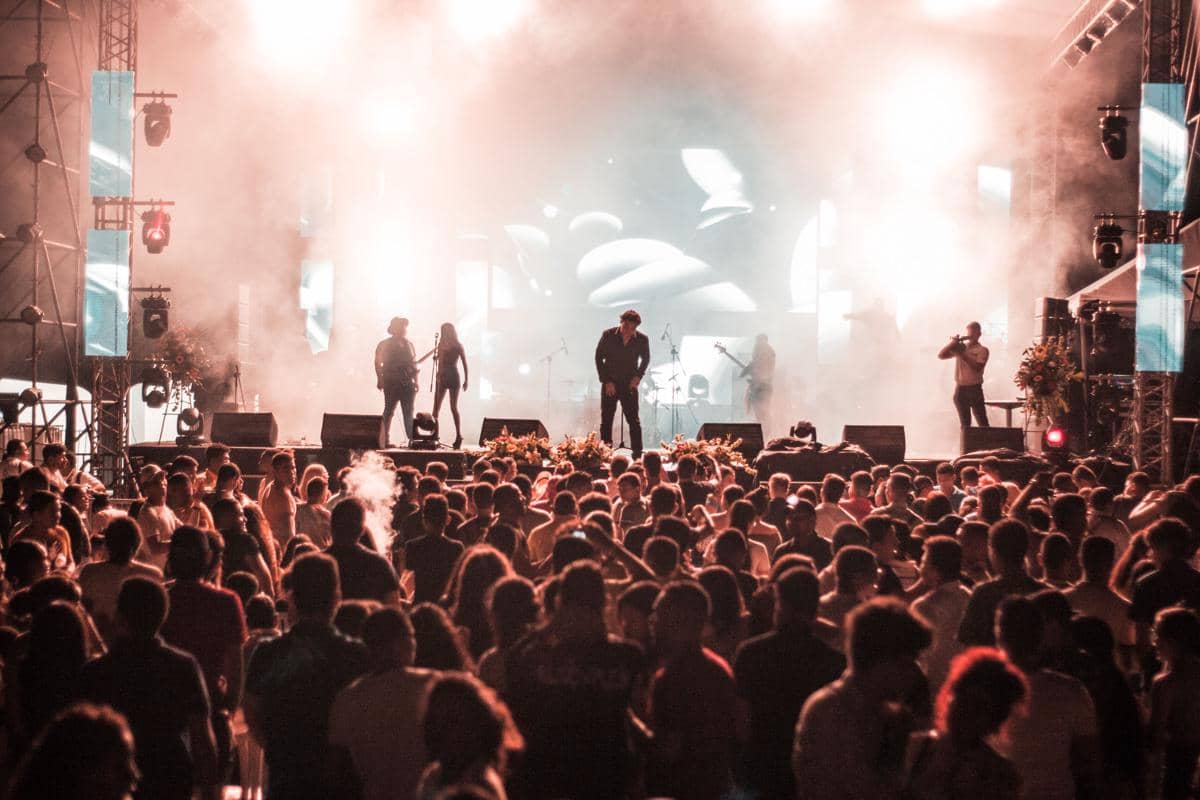

Indonesia is entering a period in which events are increasingly positioned not merely as entertainment or promotional activities, but as drivers of the economy. The Indonesia Event Calendar 2026–2027, released by the government, lists sports, cultural, music, and exhibition agendas from August 2026 to February 2027. Through Karisma Event Nusantara (KEN), the Ministry of Tourism has also set a target of 125 curated events across 38 provinces in 2026, up from 98 activities in 2025.
The scale is reflected in the figures. The Ministry of Tourism recorded that events held during the first half of 2026 generated an economic turnover of at least IDR 858.12 billion. This figure comes from 28 KEN events, whose impact has been evaluated at IDR 196.97 billion, and 17 national events and eight international events supported by the ministry, at IDR 661.15 billion.
In the retail sector, the Indonesia Shopping Festival (ISF) 2026 targets transactions of IDR 38 trillion across 407 malls, up from roughly IDR 25 trillion in 2025. Part of this increase in the target comes from a longer duration, extended from 11 days to 17 days. Meanwhile, Prambanan Jazz Festival 2026 reportedly drew around 85,000 attendees over three days, the highest in its 12-year history.
These figures show that the economic activity generated through events is growing. However, there is a more important question for brands, tenants, sponsors, organizers, and the government alike: as traffic grows, how is that economic value actually created and captured by each party?
After all, the number of visitors, transaction value, revenue, and profit are not the same thing.