Consumers Are Aware of Self-Care, but How Do They Prioritise It?

High self-care awareness: 59% of consumers prioritize a long, healthy life, but mental wellbeing and physical activity remain aspects whose fulfillment is still uneven.
Cost, motivation, and time are the main barriers to practicing wellness: only 35% of consumers actively budget for health, while economic pressure strongly affects mental health.
Consumers increasingly rely on apps, wearables, social media, and AI for health, but they need trustworthy information, professional support, affordable services, and follow-up on health examinations.

Open an online shopping cart or a social media timeline today. Among the promotions for household necessities, you will find vitamins, sleep-tracking apps, fitness classes, and content on how to manage stress. Self-care has entered the everyday vocabulary of Indonesian consumers.
PwC’s Voice of the Consumer 2026 survey found that 59% of Indonesian consumers rank living longer and healthier lives as their main health and wellness goal. Another 51% prioritize reducing stress and improving mental wellbeing. The survey involved 503 Indonesian respondents and was conducted from February to March 2026.
Priorities do not necessarily match practice. For marketers, the more important story lies between the two: what consumers actually do, what makes them falter, and where they turn for help.
Awareness Is Already High; the Question Is Now About Practice
These priorities rest on a foundation that was already in place. The Katadata Insight Center (KIC) survey Potret Selfcare Masyarakat Indonesia 2025 (Portrait of Self-Care in Indonesian Society 2025) found that 97.5% of male respondents and 97.1% of female respondents were aware of mental health. Interest in learning about or seeking information on the issue was also nearly universal: 97.2% among men and 98.6% among women.
The KIC online survey was conducted from 29 April to 5 May 2025 among 1,212 respondents, comprising 928 women and 284 men. For this reason, its findings are presented separately by gender.
With knowledge this high, the more relevant question is no longer simply whether consumers know about mental health issues, but how that awareness is translated into routines, spending, and everyday choices.
Wellness Is Becoming a Routine, but Fulfillment Remains Uneven
PwC reads this change as a shift of wellness from an occasional activity to part of daily decision-making. The data support this picture: 58% of Indonesian consumers regularly engage in fitness activities, 72% regularly prepare meals at home, and 59% take vitamins, minerals, or supplements. In addition, 37% use digital devices to improve their sleep quality.
The 2025 KIC data add another layer. KIC assessed seven aspects of self-care: knowledge, mental wellbeing, physical activity, healthy eating, health risks, personal hygiene, and use of health products. Respondents rated most of these aspects as important and relatively well fulfilled. Two aspects lagged in satisfaction with their fulfillment: mental wellbeing and physical activity.
Their position differs from that of aspects such as personal hygiene, whose level of fulfillment respondents rated higher.
For consumers, self-care has become part of everyday health behavior. However, the level of importance and the level of practice do not always move in step.
When Good Health Intentions Meet Economic Calculation
The sharpest part of the PwC data concerns money. When considering health and wellness products or services, 77% of Indonesian consumers prioritize value for money and 64% cite cost as a key factor. Half (50%) cite limited disposable income as a barrier to achieving their health goals.
Only 35% of respondents actively budget money for health and wellness activities. PwC says this figure illustrates the gap between consumer aspirations and their spending capacity. In other words, most consumers do not yet treat wellness as a separate budget item, so its spending competes with other needs.
Economic pressure also surfaces when young people talk about mental health. The Muda Bicara ID National Survey Q1 2026, as reported by Databoks, found that 61.9% of respondents cited economic pressure and concerns about the future as the greatest challenge in maintaining mental health. The next challenge, relationships with friends or partners, was cited by only 6.9% of respondents. The survey involved 800 respondents aged 17 to 40 and was conducted from 1 to 30 March 2026.
A similar pattern was visible a year earlier. In the 2025 KIC survey, financial problems were the factor most frequently cited as affecting mental health among male respondents (76.1%). Among female respondents, financial problems were cited by 82.1%, on par with social relationships.
The KIC and Muda Bicara data measure respondents’ perceptions, and neither shows a cause-and-effect relationship. What can be read from these data is that financial conditions are an important context both for how consumers understand their mental health and for their ability to practice wellness. Decisions to maintain health continue amid considerations of price, income, and worries about the future.
Self-Care Also Runs Up Against Time and Motivation
Reading self-care solely as a matter of willingness to spend would miss much of the story. In the PwC data, the two most frequently cited barriers relate to oneself and one’s schedule: 73% of consumers find it hard to stay motivated and 67% lack time. Limited income (50%) comes next.
These barriers show that consistency is an important part of practicing self-care, especially when consumers must balance it with the demands of work, family, and other daily activities. Because the majority of respondents experience such constraints, they are better read as a general condition than as a matter of personal discipline.
KIC 2025 found that stress-coping strategies are dominated by independent, non-clinical approaches. Among women, the most commonly chosen strategy was diverting attention through hobbies or enjoyable activities (78.3%), while among men, exercising or doing physical activity was the most common choice (81.0%). Resting and getting enough sleep were also widely chosen, by 72.4% of women and 69.0% of men.
Consulting professionals such as psychologists, psychiatrists, or counselors is still used by 62.5% of women and 52.5% of men. This figure covers more than half of respondents, but it ranks below strategies people can carry out on their own.
These choices show that strategies people can carry out independently remain an important part of how consumers cope with everyday pressure.
Some Self-Care Depends on Access
The barriers to practicing self-care do not lie entirely in consumers’ hands. When cost, time, and access are part of health considerations, the role of public services becomes relevant too.
Indonesia itself has begun to expand preventive access through the Free Health Check Program (Cek Kesehatan Gratis, CKG). In 2026, the program no longer stops at the initial examination. The Ministry of Health states that the program’s focus has shifted to following up on examination results, including education, treatment, monitoring, and referrals. As of 31 July 2026, CKG had reached 73.8 million people, comprising 62.7 million participants screened at community health centers (puskesmas) and in communities, and 11.1 million children through School-Based CKG (CKG Sekolah).
The program is also designed as a routine examination. The 2026 CKG technical guidelines establish the program through Minister of Health Decree No. HK.01.07/Menkes/84/2026, effective 9 February 2026.
The scale of this program shows that some health needs can be placed within basic service access rather than treated merely as consumption decisions. This is relevant given that 50% of consumers in the PwC survey said limited disposable income is a barrier to achieving their health goals.
However, access does not end with the availability of examinations. In 2026, the Ministry of Health itself emphasized that CKG’s success cannot be measured only by the number of people examined, but also by follow-up on health findings. In August 2026, the Ministry reported that around one million new cases of hypertension were detected in re-examinations of 9.2 million participants who had not been identified as having high blood pressure the previous year. Of the 8.3 million participants re-examined for diabetes, 188,000 were also newly detected with diabetes.
Thus, the question about self-care is not only whether consumers are sufficiently aware, motivated, or able to pay. There is also the question of how easily they can obtain the examinations, information, treatment, and support they need to maintain their health.
The More Digital, the More Need for Trustworthy Information
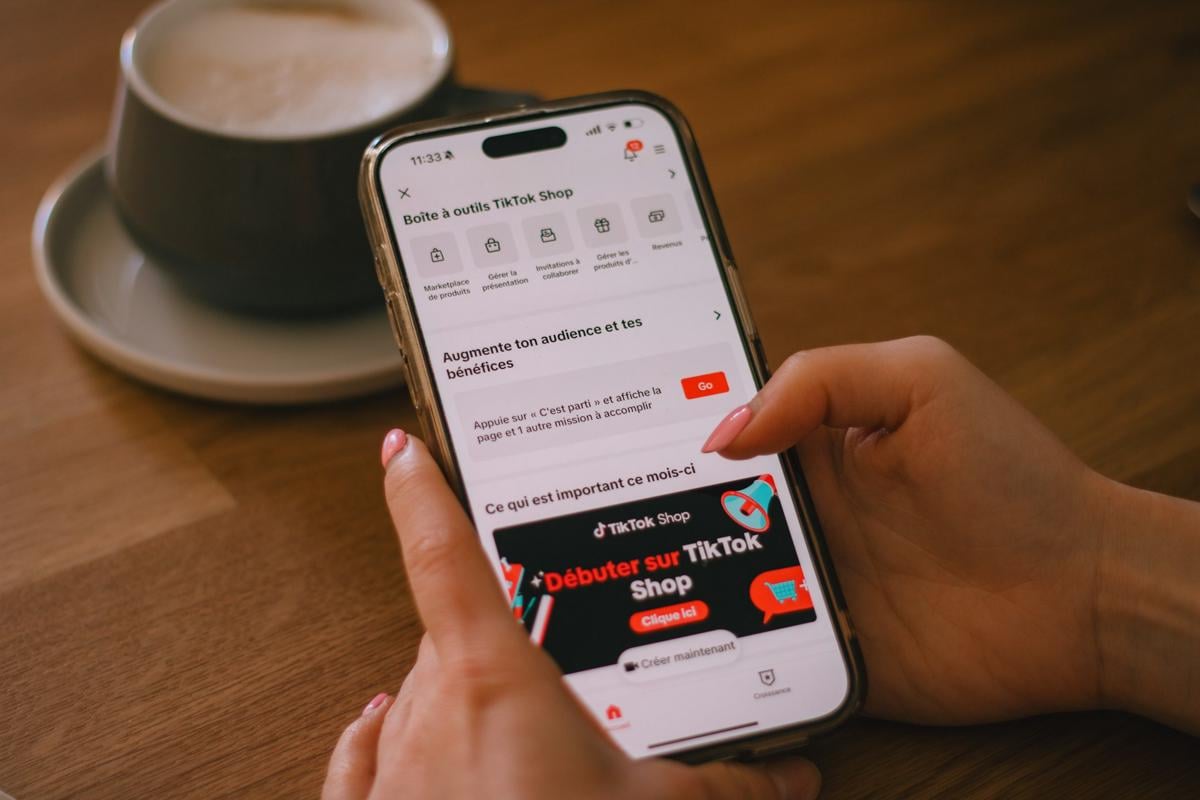
Technology has become part of how consumers manage their health. PwC found that 86% of Indonesian consumers use health apps or wearable devices, including to support mental wellbeing (21%). When they have a health-related question, 71% will turn to AI for answers first.
The habit of seeking information independently was already visible in 2025. In the KIC survey, social media was the most frequently cited source of mental health information, named by 94.4% of women and 89.4% of men.
Broader access to information brings its own problems. In the PwC survey, 42% of consumers feel overwhelmed by too much or conflicting health information. To build confidence, 78% expect clear information about products and how they work.
Trust then enters into purchasing considerations. Some 88% of consumers consider trust as important as price and quality, and 81% are willing to switch to brands that offer greater transparency.
The more actively consumers manage their own health, the greater their need for clear and trustworthy information. In the health consumer journey, clarity of information is assessed alongside price and product quality.
Practiced Individually, Supported by Many
Although carried out personally, self-care rarely happens alone. PwC found that 56% of Indonesian consumers are interested in coaching programs and habit-building solutions tailored to individual needs. When seeking guidance on health, personal curiosity is the strongest driver (59%), followed by healthcare professionals (57%) and family and friends (56%).
Community remains a smaller space. Some 25% of consumers are interested in offerings based on social activities, community, and personal development, while only 12% frequently take part in community-based wellness activities.
The 2025 KIC data reveal needs that extend beyond products or programs. The form of support respondents most hoped for was a more open and supportive environment without stigma, chosen by 75.5% of women and 70.1% of men. Respondents also hoped for more affordable mental health services (70.2% of women, 69.7% of men) and broader mental health education in schools or workplaces (65.6% of women, 69.4% of men).
Self-care is done personally, but the needs behind it are not always individual. Consumers need guidance, clear information, affordable services, and a non-judgmental environment.
Wellness Is Starting to Count in Everyday Decisions
The 2025 and 2026 data together show Indonesian consumers moving from knowing to doing. They are beginning to build wellness into everyday decisions, from the meals on their menu to the apps on their phones. They look for practical approaches, use technology to find answers, and weigh health spending in terms of value.
These choices are still shaped by the conditions around them: limited financial room, tight schedules, fluctuating motivation, and information that is abundant and often conflicting. The gap between intention and practice in this data is better read as friction in the consumer journey than as a lack of care.
The consumer needs that emerge from the data are quite clear. They seek benefits commensurate with the price, clear explanations of how products work, and support that helps them stick to their routines. Beyond that, some of their needs lie at the level of environment and services, and cannot be met through purchasing decisions alone.
References
Katadata Insight Center. (2025). Potret selfcare masyarakat Indonesia 2025 [Portrait of self-care in Indonesian society 2025] [Research report]. Katadata Insight Center.
Muhamad, N. (2026, May 19). Tekanan ekonomi, sandungan terbesar anak muda RI menjaga kesehatan mental [Economic pressure, the biggest stumbling block for young Indonesians in maintaining mental health]. Databoks. Retrieved October 1, 2026, from https://databoks.katadata.co.id/layanan-konsumen-kesehatan/statistik/6a0acebe9891b/tekanan-ekonomi-sandungan-terbesar-anak-muda-ri-menjaga-kesehatan-mental
PwC Indonesia. (2026, September 3). Wellness is no longer occasional: Indonesians seek healthier lives through technology, trust and community, PwC survey finds [Press release]. Retrieved October 1, 2026, from https://www.pwc.com/id/en/media-centre/press-release/2026/english/voice-of-the-consumer-2026-survey.html
Ministry of Health of the Republic of Indonesia. (2026, August 4). Kemenkes perkuat tindak lanjut Cek Kesehatan Gratis usai tembus 73,8 juta peserta [Ministry of Health strengthens follow-up of the Free Health Check after surpassing 73.8 million participants]. Retrieved October 5, 2026, from https://www.kemkes.go.id/id/kemenkes-perkuat-tindak-lanjut-cek-kesehatan-gratis-usai-tembus-73,8-juta-peserta
Ministry of Health of the Republic of Indonesia. (2026, August 4). Hasil CKG 2026: 1 juta warga yang semula sehat kini terdeteksi hipertensi [2026 CKG results: 1 million residents previously healthy now detected with hypertension]. Retrieved October 5, 2026, from https://www.kemkes.go.id/id/hasil-ckg-2026-1-juta-warga-yang-semula-sehat-kini-terdeteksi-hipertensi
Ministry of Health of the Republic of Indonesia. (2026, February 9). Keputusan Menteri Kesehatan Nomor HK.01.07/Menkes/84/2026 tentang Petunjuk Teknis Cek Kesehatan Gratis [Minister of Health Decree No. HK.01.07/Menkes/84/2026 on the Technical Guidelines for the Free Health Check]. Retrieved October 5, 2026, from https://jdih.kemkes.go.id/documents/keputusan-menteri-kesehatan-nomor-hk0107menkes842026