7 out of 10 Indonesian Consumers Choose to Shop via Live Shopping

- Ekonomi digital Indonesia diproyeksikan mendekati US$100 miliar pada 2025; video commerce mencatat 2,6 miliar transaksi, sementara penggunaan live shopping TikTok Shop dan Tokopedia naik 39% pada kuartal I 2026.
- Survei Jakpat terhadap 818 responden menunjukkan 71% tertarik live shopping karena diskon, tetapi 65% juga mencari interaksi langsung dengan penjual dan informasi kondisi produk sebelum membeli.
- Cara mencari kepastian berbeda antar generasi: Gen Z lebih memilih ulasan dan perbandingan produk, sedangkan Milenial serta Gen X lebih mengandalkan demonstrasi produk dan tanya jawab langsung.

Shopping through livestreams is now part of the digital shopping habits of Indonesian consumers. The e-Conomy SEA 2025 report, compiled by Google, Temasek, and Bain & Company, projects that Indonesia's digital economy will reach nearly US$100 billion in Gross Merchandise Value (GMV) in 2025, up 14 percent from the previous year and still the largest in Southeast Asia. E-commerce remains the biggest contributor, projected at US$71 billion, while video commerce has become one of the drivers of this growth. Video commerce transaction volume rose 90 percent year-on-year to 2.6 billion transactions, while the number of sellers and online stores grew 75 percent to 800,000.
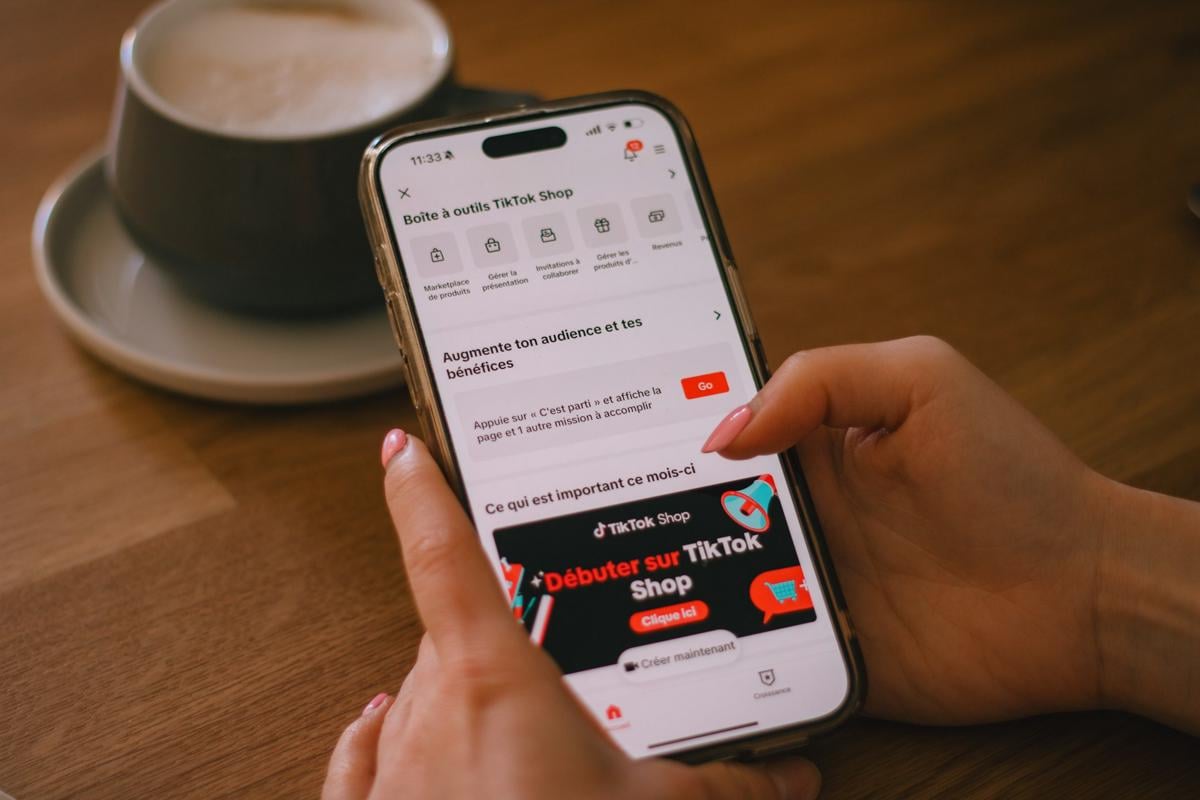
This growth is also visible at the platform level. Citing Fortune Indonesia, the use of live shopping features on TikTok Shop and Tokopedia rose 39 percent year-on-year in the first quarter of 2026. In the same period, the number of orders increased 59 percent, and the use of short videos rose 79 percent.
However, this growth in usage does not yet explain why consumers choose to watch live shopping. For brands, understanding these reasons is just as important as knowing how much this channel is growing. These findings show that live shopping today no longer attracts consumers through discounts and promotions alone, but also helps them gather information before making a purchase.
A number of survey findings on consumer behavior indicate that the function of live shopping is beginning to shift. Beyond serving as a place to hunt for promotions, this channel is also being used to seek information before purchasing. This is evident, among other things, in a Jakpat survey of 818 respondents interested in shopping via live shopping.
Discounts Bring Consumers In, Information Makes Them Stay
Discounts have long been considered the main appeal of live shopping. Jakpat data confirms this assumption. As many as 71 percent of respondents cited discounts and promotions as the main reason they were interested in watching live shopping, followed by 66 percent who wanted to get a cheaper price. Both reasons show that live shopping is still seen as a place to hunt for the best deals.
What is interesting, however, is that the pattern is nearly identical across all generations. As many as 70 percent of Gen Z, 72 percent of Millennials, and 70 percent of Gen X chose discounts as their main reason for following live shopping. The gap is only two percentage points. A similarly close pattern appears in the reason of seeking cheaper prices, with 68 percent of Gen X, 67 percent of Millennials, and 64 percent of Gen Z.
What matters here is not that consumers like discounts — that has long been an assumption in live shopping strategy. What deserves more attention is the fact that nearly all generations show the same pattern. This means discounts are indeed effective at grabbing attention, but not necessarily the reason consumers stay through a live session. For brands, promotions determine how many people enter a live session, not how the approach should be tailored to different age groups. That distinction needs to be sought in the reasons that emerge afterward. In other words, discounts are indeed effective at grabbing attention, but not necessarily the reason consumers stay through a live session.
What Differs Is Not the Reason for Entering, but the Reason for Staying
Live shopping has often been positioned as a promotional space. However, the high need to interact with sellers and to see the actual condition of products shows that consumers also use it to reduce doubt before buying.
As many as 65 percent of respondents said they were interested in following live shopping because they could interact directly with sellers. Meanwhile, 56 percent wanted to see the goods in person, and 55 percent wanted to check the actual condition of the product. The gap between the price-related reason and the interaction-related reason is only about six percentage points. Such a narrow gap shows that the need to obtain information is nearly as strong as the need to get a cheap deal.
This survey did not explore the reasons behind this pattern. However, looking at the characteristics of live shopping, the finding is quite reasonable. On a regular product page, consumers rely only on photos, videos, and descriptions already prepared by the seller. In contrast, through live shopping they can watch real-time product demonstrations, ask questions, and hear explanations directly from the host or seller. This interaction appears to be the main added value compared to the regular online shopping experience.
This pattern also aligns with Populix's findings on Generation Z consumer behavior. Populix recorded that 64 percent of Gen Z believe a product's quality is directly proportional to its price, which is why they are accustomed to considering testimonials or reviews from previous buyers before deciding to purchase. This habit shows that the need to check product condition and hear direct explanations from sellers in live shopping is not merely a habit unique to this feature, but part of a pattern already observed in how Gen Z seeks certainty before buying.
From here, a fairly fundamental difference emerges. In other words, live shopping serves two functions at once. Promotions bring consumers into the session, while information helps them feel more confident before making a purchase.
How Consumers Verify Products Differs Across Generations
If all generations equally need certainty before buying, the next question is how they obtain it. This is where the survey data shows the clearest differences.
The desire to see goods in person increases slightly with age, from 52 percent among Gen Z to 58 percent among Millennials and 61 percent among Gen X. A similar pattern appears in the reason of wanting to interact with sellers, chosen by 68 percent of Millennials and 66 percent of Gen X, compared to 61 percent of Gen Z. Although the gaps are not very large, this data shows that older consumers tend to rely slightly more on product demonstrations and direct interaction when following live shopping.
Gen Z, on the other hand, stands out on one particular reason. Overall, 41 percent of respondents said they follow live shopping to get reviews, tips, or product comparisons. Looking only at the total figure, this reason appears less important, ranking sixth out of the seven reasons measured. However, the picture changes once the data is broken down by generation. As many as 52 percent of Gen Z chose this reason, far higher than 35 percent of Millennials and 34 percent of Gen X. This gap of around 17 percentage points is the largest generational difference across all of Jakpat's findings, while the other six reasons show relatively small gaps.
Read together, the pattern becomes clearer. Gen Z appears to rely more on additional information such as reviews and comparisons before buying, while Millennials and Gen X rely more on product demonstrations and direct interaction with sellers to gain certainty. The need is the same — to ensure the product meets expectations — but the way of fulfilling it differs.
Even so, this pattern does not apply to all types of information. On the reason of wanting to learn how to use a product before buying, the difference is very small: 37 percent among Gen Z, 36 percent among Gen X, and 34 percent among Millennials. A gap of only three points shows that the need for education on product use is relatively similar across all generations. The difference lies not in the need for information, but in how each generation seeks it.
This Means Live Shopping Hosts Are No Longer Just Selling
If live shopping functions as both an informational space and a promotional space, the way brands design live sessions also needs to change. Therefore, since most viewers come to gain certainty, hosts are not only responsible for delivering offers, but also for answering questions, showing product condition, and explaining how to use the product. Mastery of product details becomes just as important as the ability to carry a session.
For brands, this generational difference matters because it can be obscured when looking only at overall figures. In aggregate, the need for reviews and product comparisons does not appear dominant. However, once viewed by generation, this reason turns out to be one of the biggest motivations for Gen Z. When the data is separated by generation, this reason turns out to be one of the biggest motivations for Gen Z. Because of this, brands targeting Gen Z should not rely solely on total figures, but should also look at the patterns within each age group. Prioritizing content based on overall rankings risks giving the smallest portion to the needs of the youngest audience.
This difference can also serve as a basis for designing live shopping content. For older audiences, detailed product demonstrations and the chance to ask the host questions directly still appear to be the main draw. Meanwhile, Gen Z audiences tend to be more interested in sessions that include reviews, product comparisons, or discussions of a product's strengths and weaknesses compared to alternatives. On the other hand, content explaining how to use a product remains relevant for all generations, as the difference is relatively small.
These findings show that the success of live shopping does not depend solely on the size of the promotion. Hosts also need to be able to explain products, answer questions, and present information suited to their audience's needs. In this way, a live session not only grabs attention at the start but also helps consumers feel more confident before buying.
Conclusion
Ultimately, the strength of live shopping lies not only in its ability to grab attention through discounts, but also in helping consumers make decisions through information. These findings show that live shopping is increasingly functioning as a decision-making channel, not merely a promotional one. Promotions may still be the initial reason consumers enter a live session, but information becomes the factor that helps them make purchase decisions. Because of this, live shopping strategy can no longer focus solely on the size of the discount, but must also consider the quality of information delivered during the broadcast.
Amid the continued growth of video commerce, this shift in function is something brands need to pay attention to. Live shopping does not only serve to drive transactions, but also helps consumers make purchase decisions. The way consumers seek information does differ across generations, but the need is the same: to feel more confident before buying. Because of this, brands that use live shopping as a space to provide information and address audience needs have the opportunity to build stronger relationships than those relying solely on momentary promotions.
Sources
Google, Temasek, & Bain & Company. (2025). e-Conomy SEA 2025. https://blog.google/intl/id-id/company-news/outreach-initiatives/e-conomy-sea-2025-ekonomi-digital-indonesia-mendekati-gmv-us100-miliar/ (accessed July 27, 2026)
Jakpat. (2026). Live Shopping & Affiliate Links: Demographic Insights [Survey report, n=818 respondents interested in shopping via live shopping]. (accessed July 27, 2026)
Fortune Indonesia. (2026, July 27). Penggunaan Fitur Live TikTok Shop pada Q1-2026 Naik 39 Persen. https://www.fortuneidn.com/business/penggunaan-fitur-live-tiktok-shop-pada-q1-2026-naik-39-persen-00-ccw2k-8dw7gq (accessed July 27, 2026)
Populix. (2023, May 5). Perilaku konsumen Generasi Z saat belanja online, yuk simak! Populix. https://info.populix.co/articles/perilaku-konsumen-generasi-z/