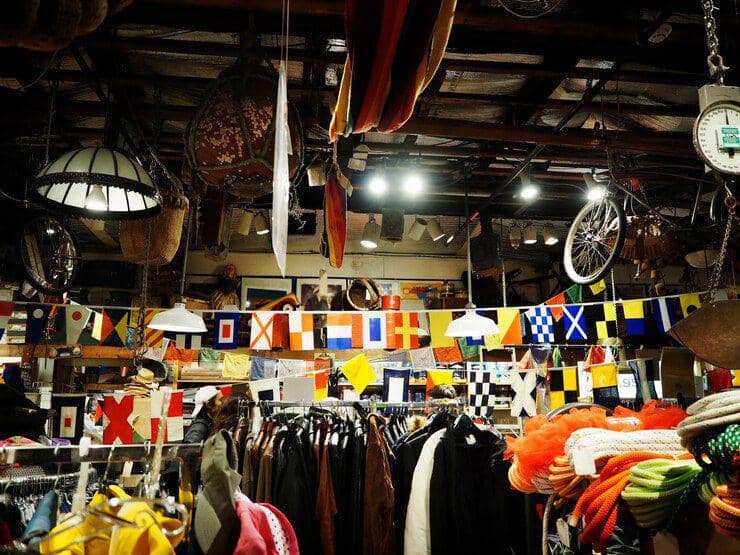
Framing thrifting as a choice between status and sustainability oversimplifies consumer behavior. Affordability, identity, and environmental concern can be present at the same time, with different weights for each person. At the same time, the label "second-hand" does not automatically guarantee that an item is more sustainable.
The economic value of a preloved product is determined by many things at once: price, brand, scarcity, condition, provenance, and the journey it has already made. The fact that the item has been used is only one part of the story.
Advertising can shape a brand's value at the first transaction. The thrift market shows how much of that value endures afterward, and the answer returns to the checkout at the next sale.
References
Aaker, D. A. (1991). Managing brand equity: Capitalizing on the value of a brand name. Free Press.
Addressing the dilemma of thrifting. (2025, November 14). ANTARA News. Retrieved September 24, 2026, from https://en.antaranews.com/news/391721/addressing-the-dilemma-of-thrifting
Ahdiat, A. (2026, August 14). Nilai impor pakaian bekas ke Indonesia meningkat pada 2025 [The value of second-hand clothing imports to Indonesia increased in 2025]. Databoks. Retrieved September 24, 2026, from https://databoks.katadata.co.id/perdagangan/statistik/6a7ebb003e547/nilai-impor-pakaian-bekas-ke-indonesia-meningkat-pada-2025
Hidayah, F. N. (2023, June 2). Ada 49,4% masyarakat Indonesia pernah melakukan thrifting [49.4% of Indonesians have thrifted]. GoodStats Data. Retrieved September 24, 2026, from https://data.goodstats.id/statistic/ada-494-masyarakat-indonesia-pernah-melakukan-thrifting-sP7wi
Ilmalhaq, A., Pradana, M., & Rubiyanti, N. (2024). Indonesian local second-hand clothing: Mindful consumption with stimulus-organism-response (SOR) model. Discover Sustainability, 5. https://doi.org/10.1007/s43621-024-00481-2
Kementerian UMKM ajak pedagang thrifting Pasar Senen beralih ke produk lokal [The Ministry of MSMEs invites Pasar Senen thrifting traders to switch to local products]. (2025, November 18). Tempo. Retrieved September 24, 2026, from https://www.tempo.co/ekonomi/kementerian-umkm-ajak-pedagang-thrifting-pasar-senen-beralih-ke-produk-lokal-2090737
Kementerian Perdagangan Republik Indonesia. (2026). Mendag jamin impor baju bekas cacah AS tak rembes ke pasar [Trade Minister guarantees imports of US shredded second-hand clothing will not leak into the market]. Retrieved September 24, 2026, from https://www.kemendag.go.id/index.php/berita/pojok-media/mendag-jamin-impor-baju-bekas-cacah-as-tak-rembes-ke-pasar
Maulydia, A., & Aditya, F. (2026). Pengaruh price, fashion involvement, dan environmental awareness terhadap minat beli pakaian thrifting (Studi pada Generasi Z di Jakarta) [The influence of price, fashion involvement, and environmental awareness on purchase intention for thrifted clothing (A study of Generation Z in Jakarta)]. PENG: Jurnal Ekonomi dan Manajemen, 3(2). Retrieved September 24, 2026, from https://garuda.kemdiktisaintek.go.id/documents/detail/6526171
Milieu Insight. (2022). Indonesia: Reasons for shopping second-hand fashion 2022 [Statistic]. Statista. Retrieved September 24, 2026, from https://www.statista.com/statistics/1366444/indonesia-reasons-for-shopping-second-hand-fashion/
Moizant, F., Krueger, F., Martinez-Pardo, C., Dupreelle, P., Vitrani, J., Gardet, C., Wone, D., Hebrard-Lemaire, A., Baz, D., Dietze, E., & Lasa Aresti, M. (2025, October 9). Resale's next chapter: How fashion and luxury brands can win in the secondhand market. Boston Consulting Group. Retrieved September 24, 2026, from https://www.bcg.com/publications/2025/how-fashion-luxury-brands-can-win-secondhand-market
Pedagang Pasar Senen ogah pindah dari thrifting ke brand lokal [Pasar Senen traders refuse to move from thrifting to local brands]. (2025, November 19). Tirto.id. Retrieved September 24, 2026, from https://tirto.id/pedagang-pasar-senen-ogah-pindah-dari-thrifting-ke-brand-lokal-hl8h
Sejauh Mata Memandang. (n.d.). DAUR program: Sejauh Mata Memandang's eco-conscious clothing recycling. Retrieved September 24, 2026, from https://sejauh.com/pages/program-daur-ulang-pakaian
Sustainable fashion consumption in Indonesia: Exploring drivers of second-hand clothing purchase intention among Gen Z consumers (Version 1) [Data set]. (2026). Mendeley Data. https://doi.org/10.17632/7js773dzgg.1
Swarnawati, A., Mulyana, A., Patrianti, T., Milana, R., & Ridha, M. (2026). Exploring thrifting practices among Generation Z in greater Jakarta: A perspective on social practices and environmental communication. Frontiers in Communication, 11, 1841240. https://doi.org/10.3389/fcomm.2026.1841240
Syahrivar, J., Kusuma, K., Pahlevi, R. A., Wei, Y., Chairy, C., & Genoveva, G. (2023). No longer look down: Investigating second-hand clothing purchase in Indonesia. International Review on Public and Nonprofit Marketing, 20(2). https://doi.org/10.1007/s12208-022-00341-7
Terisno, E. A. (2024, April 21). Edukasi reparasi pakaian persembahan Sejauh Mata Memandang [Clothing repair education presented by Sejauh Mata Memandang]. Dewi Magazine. Retrieved September 24, 2026, from https://www.dewimagazine.com/news/edukasi-reparasi-pakaian-persembahan-sejauh-mata-memandang/
Tinkerlust. (n.d.). Tinkerlust [Mobile app]. Google Play. Retrieved September 24, 2026, from https://play.google.com/store/apps/details?id=com.tinkerlust.tinkerlust&hl=en_US
Tinkerlust luncurkan aplikasi jual beli preloved luxury fashion pertama di Indonesia [Tinkerlust launches Indonesia's first preloved luxury fashion buying and selling app]. (2023, March 14). Indozone Tech. Retrieved September 24, 2026, from https://tech.indozone.id/gadget/921042476/tinkerlust-luncurkan-aplikasi-jual-beli-preloved-luxury-fashion-pertama-di-indonesia
Uniqlo Indonesia. (n.d.). RE.UNIQLO. Retrieved September 24, 2026, from https://www.uniqlo.com/id/id/special-feature/sustainability/re-uniqlo
Wijayanti, A., Prinia, N., Sufaisal, Hidayat, Z., & Aras, M. (2022). 'Thrifting' as fashion trend among Gen-Z: Factors influencing purchase intention on second-hand clothing in Indonesia. Zenodo. https://doi.org/10.5281/zenodo.7330808