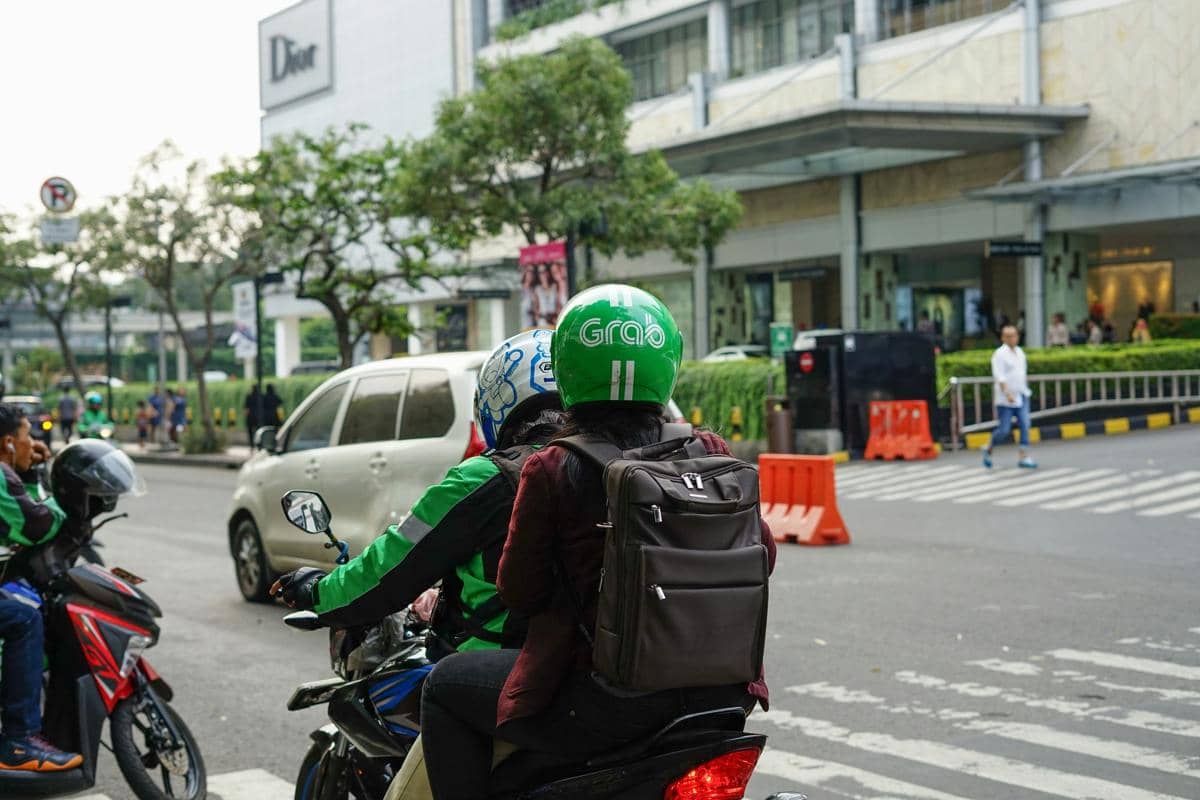
Every time an Indonesian consumer opens a ride-hailing app, one variable guides their decision before any other variable enters the calculation. A survey by the Institute for Development of Economics and Finance and the Paramadina Public Policy Institute of 1,000 active ride-hailing users from October 2025 to March 2026 found that price is the main consideration in choosing a service, cited by 81 percent of respondents. Service quality followed at 71 percent, while accident insurance ranked last at 25 percent (Indef & PPPI, 2026a).
This finding becomes a starting point for understanding the debate over driver welfare. Worker protection always has a cost, and that cost must ultimately be borne by one of three parties: consumers through fares, platforms through margins, or the state through public financing schemes. The market has already stated its position. As long as work protection ranks last among users' considerations, an app that raises fares to improve its partners' welfare will lose orders to an app that keeps prices low.
Amid this situation, the government took an intervention step through Presidential Regulation No. 27 of 2026. President Prabowo Subianto announced the signing of Presidential Regulation No. 27 of 2026 on the Protection of Online Transportation Workers before thousands of laborers at Monas on May 1, 2026. One of the main changes in the regulation is an increase in the driver's income share from 80 percent to at least 92 percent, accompanied by work accident guarantees and access to BPJS Kesehatan (national health insurance) (Presidential Secretariat, 2026). The regulation was enacted on May 4, 2026, while Gojek and Grab implemented an eight-percent cut on July 1, 2026 (Hukumonline, 2026b). This means the government placed the main burden of financing the policy on the platforms.
Two weeks after the rule took effect, the initial impact of the policy showed results different from expectations. Kompas's analysis found that the commission cut lowered the price paid by consumers more than it raised the money received by drivers (Kompas.com, 2026b).
This result is consistent with the 81-percent figure mentioned earlier. It shows that part of the benefit from the commission reduction was actually passed on to consumers through lower prices. In a market that is highly price-sensitive, platforms have an incentive to keep fares competitive. In other words, the policy changed the distribution of benefits within the ecosystem, but part of the benefit ended up being enjoyed by consumers through lower fares, rather than fully increasing driver income.
This then raises a more fundamental question. If consumers are reluctant to pay higher fares and platforms have limited capacity to absorb additional costs, where should the financing for driver protection come from? The answer to this question will determine whether Indonesia's platform economy can grow without sacrificing the welfare of its drivers.