Rereading Semarang's Offline Activity Across Different Occasions
Semarang has lined up around 400 events for 2026, forming offline attention that's spread across the year; attendance figures for many open events remain hard to verify independently.
Brands are advised to read the calendar as a series of occasions rather than simply chasing the biggest event, maintaining a consistent presence across several moments based on objectives such as reach, community, transactions, or long-term presence.
A crowd is not the final measure of marketing success: brands need to turn it into attention, interaction, product trials, transactions, and digital traces through QR codes, vouchers, merchants, and audience-generated content.
Semarang has lined up around 400 events this year. However, the attendance figures that appear in this article do not come from an independent audit. So the question here is not simply how many people showed up to an event, but rather: how should we read a city's offline attention, and what does that mean for brand activation planning?
In event sponsorship in Indonesia, crowd size still remains one of the main yardsticks for judging an event. The problem is that this figure almost always comes from the organizer's own statements or from media coverage, not from ticket counts or third-party audits. Meanwhile, many city-run agendas don't use ticketing at all, so visitor numbers can't really be counted in the first place.
Given this, the figure most often used to demonstrate the scale of an event is also the figure that's hardest to verify.
This doesn't mean brands should abandon offline activation. Quite the opposite. Brands need another way of looking at a city besides simply searching for the event with the biggest crowd.
One way is to look at how many offline opportunities are available across the year, how those opportunities are spread out, and what the pattern of the calendar looks like.
Semarang is worth examining from this angle. Not because it's meant to represent other cities, but because its calendar structure is open enough to be examined closely. Its annual calendar is published in advance and well documented. Some agendas repeat every year under the same organizers, while many others take place in public spaces with no ticketing at all.
This makes Semarang easier to read as a series of occasions, rather than simply a collection of big events.
So what's being sought here isn't a list of which events are most worth sponsoring. What matters more is what a brand can learn from a city's calendar pattern before deciding where and when to show up.
Three things worth knowing:
Semarang's offline attention is distributed, not concentrated. There are hundreds of gathering points across the year, not a single peak of crowds. For brands, this opens up the possibility of building a portfolio strategy: showing up at several relevant moments, rather than depending on one big event.
What repeats is the event, not the people. There is no evidence that the same audience keeps returning to these various agendas. So event frequency doesn't automatically mean repeated contact with the same people. What makes more sense is planning for consistent brand presence across different moments.
A crowd is raw material, not a result. A large number of attendees doesn't automatically produce marketing value. That value only emerges once the crowd can be turned into attention, interaction, or transactions. And that part doesn't happen on its own: brands need to design for it.
There Are Two Patterns of Offline Attention in Semarang
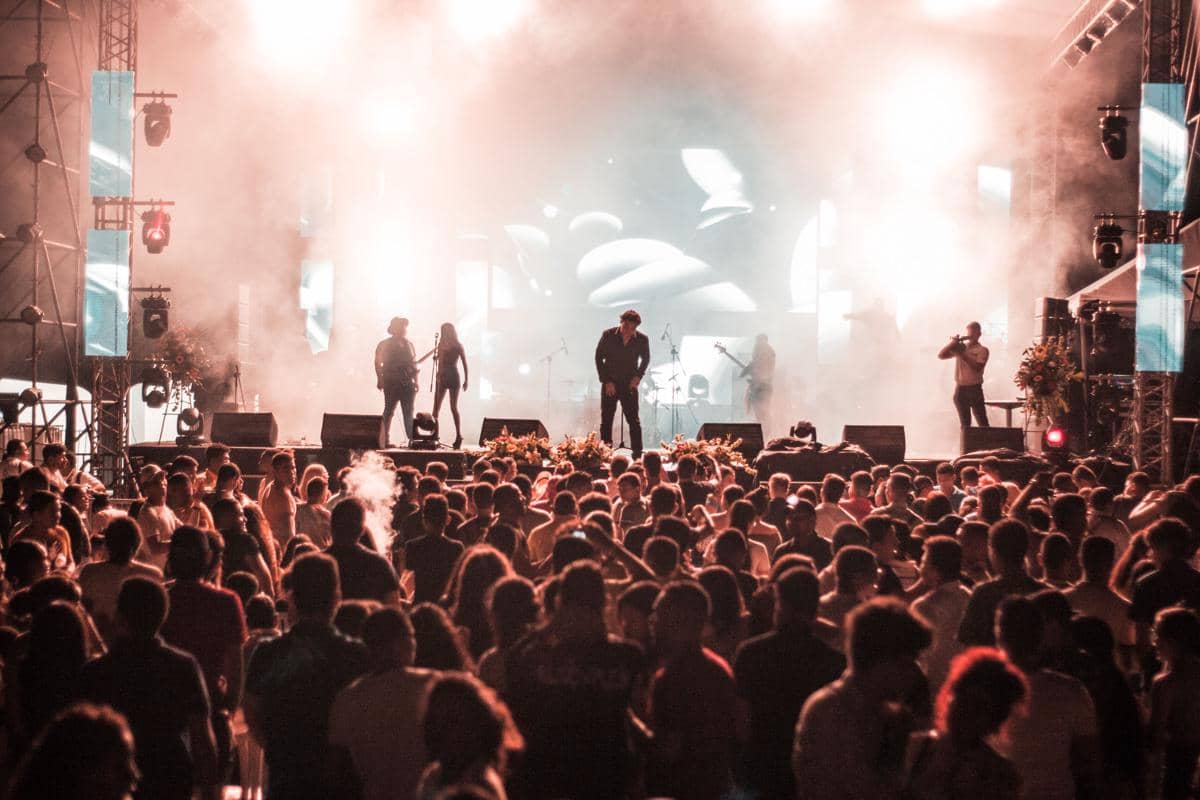
Offline attention in a city can form in different patterns. Some cities gather their crowds around one or two big moments. Others have many gathering points throughout the year, with attention spread across various agendas.
The first pattern is concentrated. One or two big moments absorb most of the year's attention, while the calendar outside those moments is relatively quiet.
The second pattern is distributed. Attention is spread across many agendas that recur throughout the year, giving the city calendar more gathering points overall.
This difference in pattern affects how a brand decides where to show up. In a concentrated city, one big moment can become the main anchor of an activation strategy. Its value is largely determined by the size of the crowd and the rarity of that moment.
In a distributed city, a brand's options become broader. A brand can pick several moments on the calendar and build a consistent presence from one occasion to the next.
Semarang falls into the second pattern. Because of that, asking which event is the biggest only captures a small part of the opportunity available. A more spread-out calendar makes room for looking at the combination of occasions most relevant to a brand.
Events Sit at the Early Stage of the Consumer Journey
There's another finding worth noting when discussing how to measure offline activation. It concerns where an event sits within the consumer's journey toward a purchase.
When active digital consumers were asked at which stage their purchase decision took shape, 77.4 percent pointed to the moment they read reviews or made comparisons. Meanwhile, 18.2 percent pointed to the moment they first saw awareness content (Jakpat, 2026).
A brand's presence at an event sits at that early stage. Consumers can get to know a brand, see a product firsthand, try it out, or connect it with the surrounding cultural and social context.
From here, the measure of success for an offline occasion needs to be matched to its role in the consumer journey. Reach, product trial, cultural relevance, and material for the next stage become the relevant outcomes to pursue.
With this kind of measurement, an offline occasion has a clear job within a brand's strategy. It builds exposure and experience that consumers can then carry forward into the next stage.
Semarang Has Hundreds of Occasions Throughout the Year
Throughout 2026, the City of Semarang has prepared around 400 tourism and cultural agendas through its Tourism and Culture Office. The lineup is varied, ranging from carnivals and culinary festivals to religious traditions and city anniversary celebrations. All of it is compiled in the 2026 Calendar of Events titled "Semarang Bercerita" (Espos.id, 2026).
The figure of 400 needs to be placed in context. It represents the number of agendas planned by the organizers. It does not yet indicate how many events were actually held or how many people actually attended.
Even so, the calendar gives a picture of how many moments exist in which people gather in the same space for the same reason. Over the course of a year, Semarang has hundreds of such points in time.
For brands, each of these points can become an opportunity to meet consumers by tapping into a crowd that has already formed in the city.
The Event Repeats, the Audience May Not
Semarang Night Carnival 2026 was held on 2 May with participants from 28 countries, and this year it was officially added to the Karisma Event Nusantara calendar (ANTARA News, 2026). In 2025, before it received that status, SNC had already drawn thousands of spectators along the parade route (Media Indonesia, 2025a). Its appeal had already formed before national recognition arrived.
Semarang Night Festival was held on 2 to 3 May 2026 at Lapangan Pancasila, Simpang Lima, and drew tens of thousands of visitors (Katadata, 2026). Beyond these two major agendas, Semarang also has annual traditions such as Pasar Imlek Semawis in the Chinatown district on 13 to 15 February 2026 (Radar Semarang, 2026), as well as Dugderan ahead of Ramadan.
This series of examples shows that some occasions return year after year. The available data does not yet show whether the same people attend multiple times throughout the year.
For brands, this distinction helps determine how to read frequency. The recurrence of an event provides more entry points for building brand presence. The strategy can focus on the consistency of brand presence across various occasions, with an audience that may change from one moment to the next.
Many Agendas Take Place in Open Spaces
These agendas share one thing in common in terms of venue. All of them take place in spaces with low barriers to entry.
SNC crosses the city's main streets and ends at Simpang Lima, so it can be watched from the roadside (PPID Kota Semarang, 2026). Semarang Night Festival takes over Lapangan Pancasila at the heart of the city. Pasar Imlek Semawis occupies a stretch of road in Chinatown.
Soto Vaganza gives a clearer example. On 4 May 2025, as part of Semarang's 478th anniversary celebrations, the event gave away 4,478 free portions of soto in the city hall grounds, served by five legendary soto stalls and dozens of local culinary micro, small, and medium enterprises (ANTARA News Jateng, 2025).
Open spaces like this involve a trade-off between reach and precision. Open occasions allow more people to be exposed, while ticketed or registration-based events give brands more information about who actually showed up.
For brands, the strength of an open occasion lies in its reach, combined with the local context that has already been built. A brand enters a space where people already have a reason to gather, so its activity can become part of an experience that's already unfolding.
Who Lives and Works in the Surrounding Area?
After looking at crowd numbers, the next question is who lives around these occasions, and what their daily lives look like.
Data from the surrounding region gives a picture of economic capacity and available time. The economy of Semarang Regency is supported by household consumption, which absorbed 59.77 percent of regional gross domestic product in 2025, with average consumption reaching Rp38.3 million per resident per year. The growth rate of household consumption reached 6.01 percent in 2024 and 5.22 percent in 2025 (BPS Kabupaten Semarang, 2026).
The age and employment composition also adds context. Young people aged 16 to 30 make up 23.23 percent of the population, and 47.08 percent of those who are employed work in the manufacturing sector. Average working hours for urban youth reach 41.91 hours per week (BPS Kabupaten Semarang, 2025b).
Given this work pattern, evenings and weekends are the relevant times to look for offline meeting opportunities. This timing also overlaps with the schedule of most of the city's agendas.
Their digital access is also very high. As many as 99.74 percent of urban youth accessed the internet within the last three months, with mobile phone usage at around the same level (BPS Kabupaten Semarang, 2025b).
Note: all the figures above come from Semarang Regency, a surrounding region distinct from Semarang City. See Data Note.
Offline Audiences Remain Digitally Connected
People who attend offline occasions still carry on with their digital daily lives. They may stand at the edge of a carnival route at one moment, then return to their screens to communicate, shop, pay, and share the experience.
Among active digital consumers, this behavior is fairly clear:
Jakpat x IDNR Survey, 2026. Reanalyzed by IDN Research. Active digital consumer behavior
Proportion
Proportion Used e-wallet in the last 3 months
90,5%
Used QRIS in the last 3 months
80,0%
Shared content in the last 3 months
87.5%
Weekly active on Instagram
97.0%
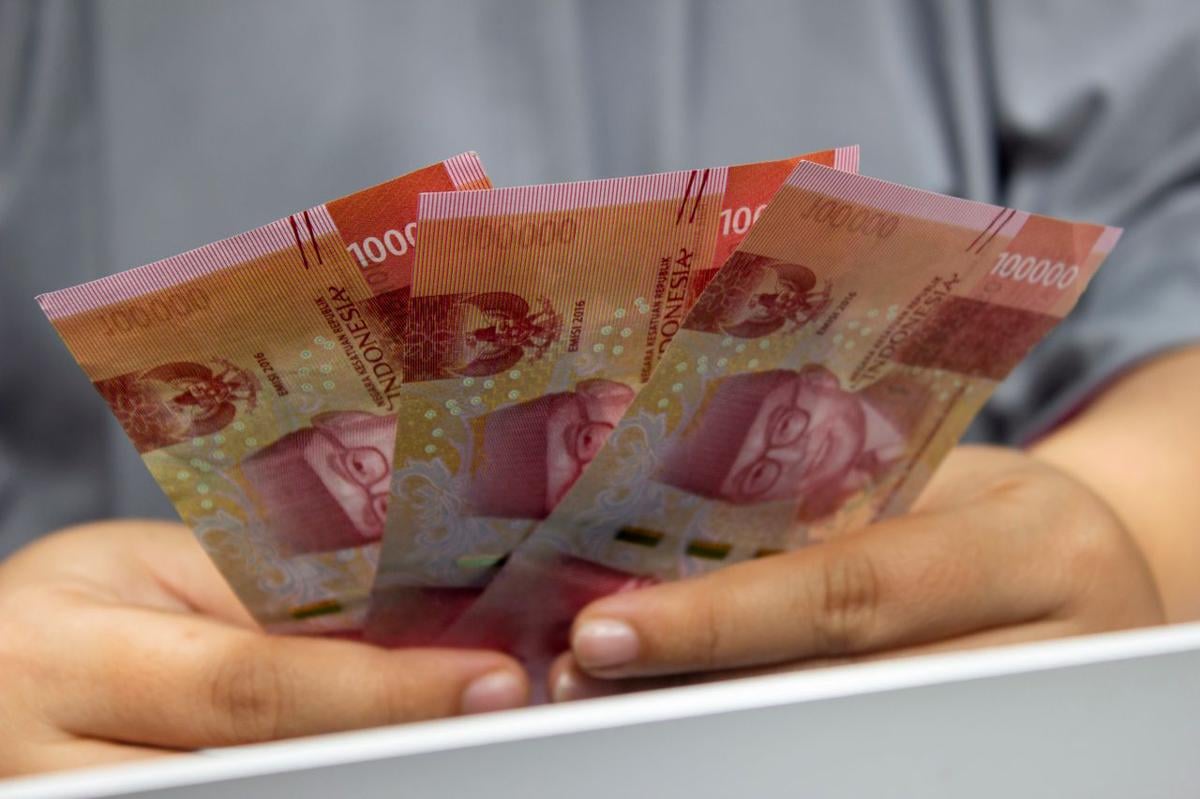
These figures open up several avenues brands can tap into. As many as 90.5 percent used e-wallets and 80.0 percent used QRIS in the last three months. QR-based activations, vouchers, or merchant partnerships have a foundation of digital payment behavior that has already taken hold.
Sharing habits also open room to extend an occasion's reach. As many as 87.5 percent of active digital consumers shared content in the last three months, while 97.0 percent are weekly active on Instagram. An occasion that produces a moment worth sharing has a chance to keep moving through screens even after the crowd disperses.
At this point, physical attendance can leave behind a trail that's easier to follow, from QR scans and voucher usage to content shared by the audience. That trail gives brands an additional measure beyond the attendance figures reported by organizers.
A Large Crowd Doesn't Yet Show a Marketing Result
The number of people who show up indicates how large a crowd an event managed to gather. To see the marketing result, brands need to look at what happens after people have gathered.
There are three things that need to be separated:
Crowd: people occupying one space at one point in time. This describes the physical scale of an event.
Attention: how many people actually notice the brand, product, or activity present at the event. Physical attendance alone doesn't indicate the level of attention. At a street carnival, for instance, people might come to watch the parade, meet friends, buy food, or simply pass through.
Conversion: the actions that occur once attention has formed, such as interacting with a brand, trying a product, using a voucher, or completing a transaction.
A large crowd also needs to be read alongside the characteristics of the people present. Thousands of people in one place hold different value for each brand, depending on who they are, why they came, and what they do while they're there.
Because of this, crowd size is most useful as a starting point when assessing an occasion. Once the scale is known, a brand needs to look at who is present, what they're doing, and what opportunities for interaction are available.
Economic Activity Takes Place Around an Occasion
An event can generate economic activity through several channels. Ticketing is one channel, while open-access agendas generate economic activity through other sources.
Public budget. Many agendas are part of a city's tourism program, so their funding can involve local government. Soto Vaganza is an example with a different funding structure. Semarang's mayor stated that Soto Vaganza 2025 was non-APBD (not funded by the regional budget) and originated from an initiative by five legendary soto sellers (Indoraya News, 2025). A funding source like this also shapes who is involved in decision-making and what forms of partnership are available.
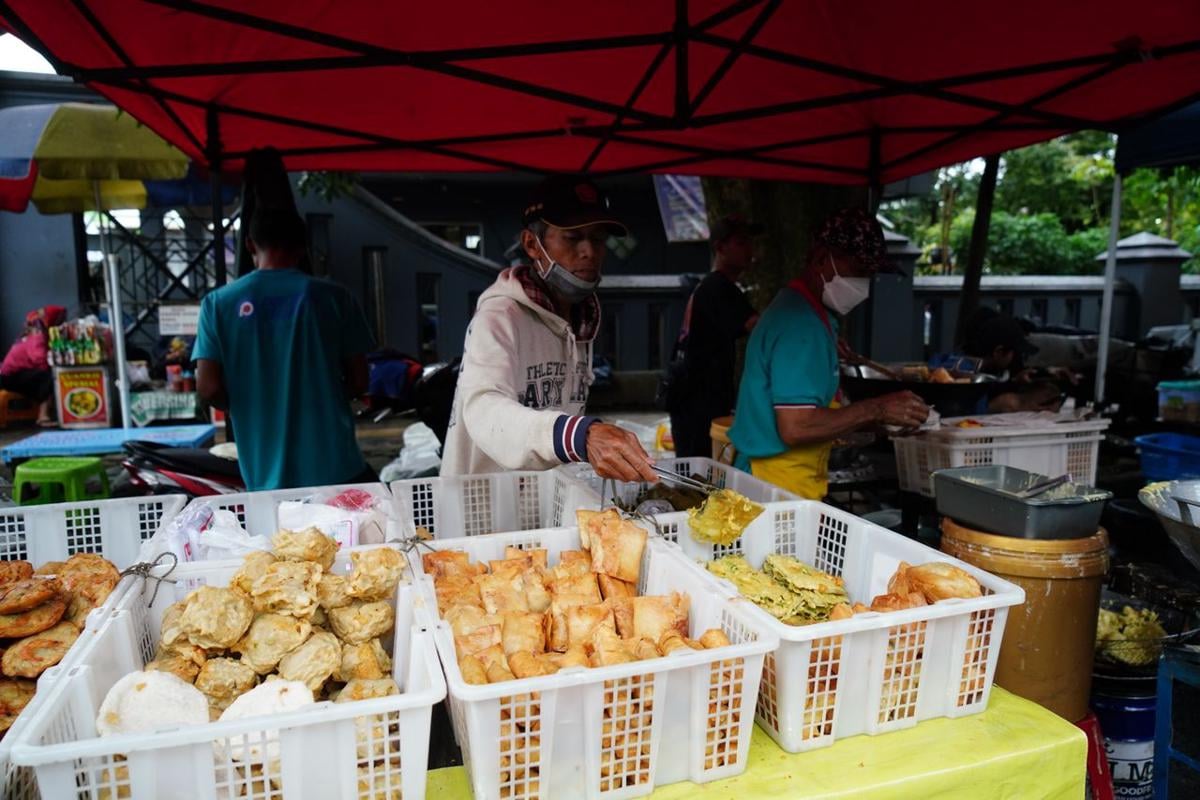
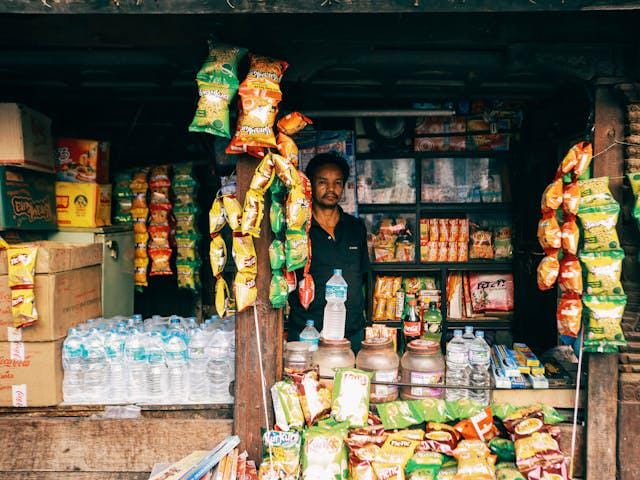
Consumption around the venue. An occasion brings visitors together with vendors who are already selling at that location. At Soto Vaganza, dozens of culinary micro, small, and medium enterprises were directly involved. At Pasar Imlek Semawis, these small businesses form a structural part of the event. Brands can enter through transactions that are already taking place, for instance through merchant partnerships, vouchers, or payment programs.
Sponsorship. This is the most direct form of collaboration available to a brand. Its evaluation needs to look beyond attendance figures, especially when visitor numbers come from an organizer's estimate and have not gone through third-party verification.
So the starting question is: at which point can a brand deliver value and obtain a result relevant to its marketing objective?
Choosing an Occasion Based on Brand Objectives
If the goal is reach, choose an occasion with open access. SNC, with its route along main city streets, and Semarang Night Festival at Lapangan Pancasila, both offer the chance to reach large numbers of people with no price filtering. This format suits FMCG, telecommunications, and consumer financial services. Activation could take the form of sampling, product trials, or interactive installations. The main target is the number of people reached and the quality of interaction that occurs during the occasion.
If the goal is community, choose a recurring occasion. Pasar Imlek Semawis and Dugderan have predictable dates and the same organizers year after year. A brand can design its presence across several cycles with a consistent role, so that its relationship with the community can be built from one period to the next.
If the goal is transactions, enter through the layer of small businesses. Bank Jateng's approach at the Borobudur Marathon, with 46 UMKM Berdikari and 20 UMKM Pawone vendors present within the event area, shows a form of involvement that sits directly at the point of transaction. This could take the form of payment partnerships, merchant activations, vouchers, bundling, or QR-based promotions. Consumer readiness is already visible from the level of digital payment usage. The next variable is merchant readiness and incentive design.
If the goal is long-term presence, use the calendar as the basis for planning. A brand can divide its role across several occasions throughout the year, for instance community-building at one agenda, sampling at another, and transactions at the next. This pattern gives a brand more opportunities to compare results from one occasion to another and see which format is most relevant.
Defining the Brand's Role Within an Occasion
A brand can take on a role within an event without needing to own or build the event itself. The most sensible role is usually tied to a need that has already emerged at the location.
A payment brand can take on a role in transactions. An FMCG brand in consumption. A telecommunications brand in connectivity. A mobility brand in the journey to and from the venue. A financial brand in the needs of small businesses.
With this approach, the planning process starts from conditions on the ground: what people there actually need, and then which of those needs a brand can answer.
That question helps a brand choose a form of activation that feels relevant to the occasion. The brand shows up to support an activity that is already taking place, so its presence becomes part of the visitor's experience.
Closing
Semarang demonstrates another way of reading offline activation. An event can be seen as an occasion: a moment when people already have a reason to gather and carry out a particular activity.
The city's calendar provides many gathering points throughout the year. Public spaces give audiences access at a broad scale. Consumption and community activity already take place around various agendas. The audience also carries digital devices and habits that allow an offline experience to continue through the screen.
Because of this, choosing an occasion can start from three questions: how relevant is the occasion to the brand's objective, what role can the brand fill, and is that presence worth repeating at the next occasion?
For Semarang, the opportunity lies in the sheer number of crowds that have already formed throughout the year. A brand can choose an occasion based on its objective and the role it wants to build, then use the results from each appearance as material for deciding its next step.
The same questions can be used to read other cities: what does the city's calendar look like, who shows up within it, and what opportunities are available to a brand?
References
ANTARA News. (2026, May 1). Peserta Semarang Night Carnival 2026 tambah jadi 28 negara. https://www.antaranews.com/berita/5550692/peserta-semarang-night-carnival-2026-tambah-jadi-28-negara
ANTARA News Jateng. (2025, May 4). 4.478 porsi soto dibagikan untuk meriahkan HUT Kota Semarang. https://jateng.antaranews.com/berita/580569/4478-porsi-soto-dibagikan-untuk-meriahkan-hut-kota-semarang
BPS Kabupaten Semarang. (2025b). Statistik Pemuda Kabupaten Semarang 2025. Ungaran: BPS Kabupaten Semarang.
BPS Kabupaten Semarang. (2026). Produk Domestik Regional Bruto Kabupaten Semarang Menurut Pengeluaran 2021 to 2025 (Volume 10, ISSN 2828-8793). Ungaran: BPS Kabupaten Semarang.
Espos.id. (2026, January 5). Kota Semarang siapkan 400 event wisata 2026, ini daftar agenda unggulannya. https://regional.espos.id/kota-semarang-siapkan-400-event-wisata-2026-ini-daftar-agenda-unggulannya-2178081
Indoraya News. (2025, May 4). Soto Vaganza diserbu ribuan warga, 4.478 porsi ludes dibagikan gratis. https://indoraya.news/soto-vaganza-diserbu-ribuan-warga-4-478-porsi-ludes-dibagikan-gratis
Jakpat. (2026). Topsight report: Survey IDN Research Institute [Unpublished raw dataset]. Reanalyzed by IDN Research.
Katadata. (2026, May 7). Semarang Night Festival 2026 tarik puluhan ribu pengunjung, dorong ekonomi kota. https://katadata.co.id/info/69fc3f4ebc8ee/semarang-night-festival-2026-tarik-puluhan-ribu-pengunjung-dorong-ekonomi-kota
Kompas.com. (2025, November 15). Borobudur Marathon 2025 diikuti 11.500 peserta, perputaran ekonomi diprediksi meningkat. https://kilasdaerah.kompas.com/jawa-tengah/read/2025/11/15/201649578/borobudur-marathon-2025-diikuti-11500-peserta-perputaran-ekonomi-diprediksi
Media Indonesia. (2025a, May 5). Ribuan pengunjung saksikan Semarang Night Carnival 2025. https://mediaindonesia.com/nusantara/767806/ribuan-pengunjung-saksikan-semarang--night-carnival-2025
PPID Kota Semarang. (2026). Semarang Night Carnival 2026. https://ppid.semarangkota.go.id/events/semarang-night-carnival-2026/
Radar Semarang. (2026, February 10). Imlek Semawis 2026 kembali hadir, tampilkan harmoni budaya dan toleransi warga Semarang. https://radarsemarang.jawapos.com/semarang/727174814/imlek-semawis-2026-kembali-hadir-tampilkan-harmoni-budaya-dan-toleransi-warga-semarang