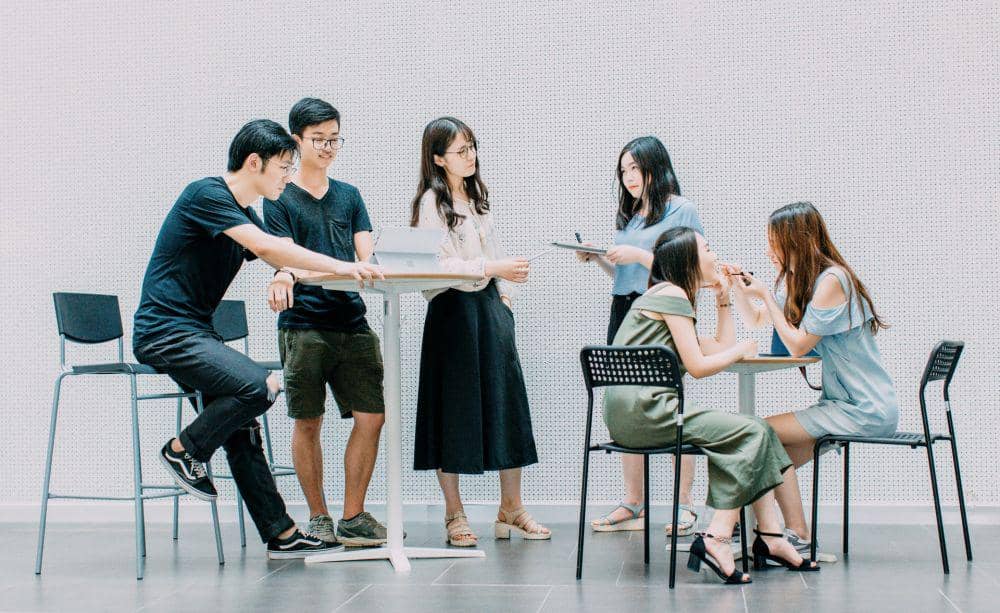
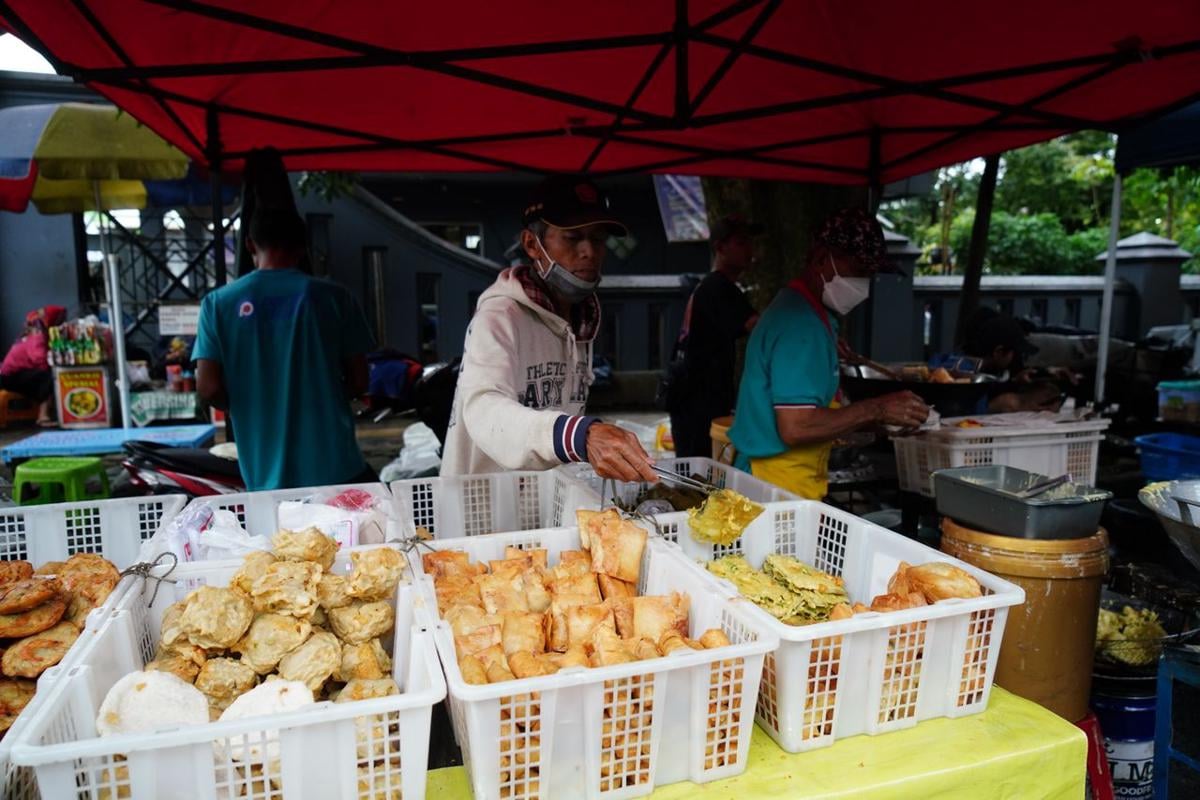
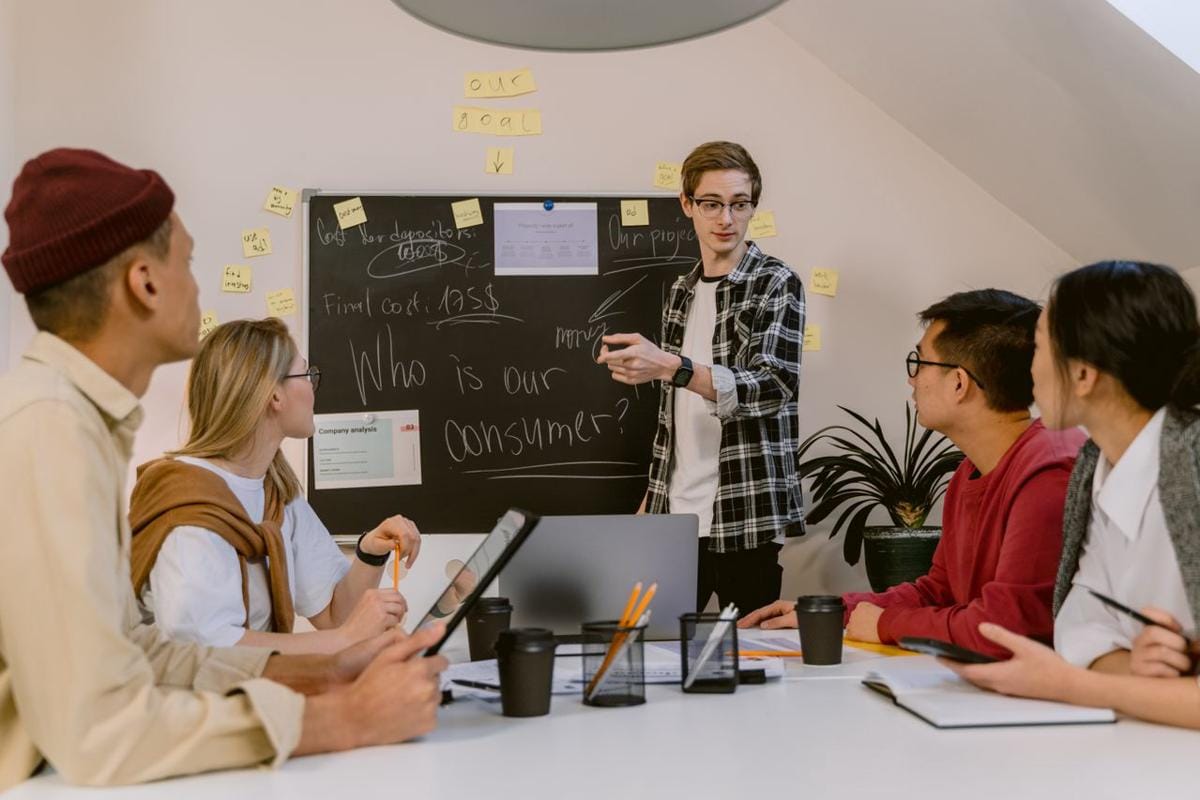
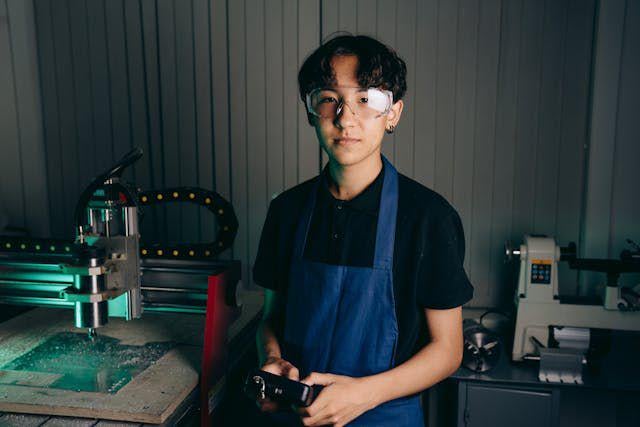
- Getting ready for work (GRWM for work)
- Clocking in at the "office" (sometimes using toys as timekeeping machines)
- Doing paperwork — sorting papers, writing imaginary reports
- Attending "meetings"
- And even, with endearingly exhausted expressions: working overtime
Kids Don't Play Like They Used to: What's Changed?
Intinya Sih
Gen Alpha children's phenomenon of roleplaying as office workers on TikTok reflects a shift in how they perceive the adult world, particularly the role of modern women.
This change is driven by the increasing participation of Indonesian women in education and the workforce, as well as exposure to digital content featuring the lives of professional women.
From a developmental psychology perspective, this roleplay serves as a medium through which children understand responsibility and social norms, while imitating the productive female figures they see every day.
This section summary was AI-assisted and reviewed by our editorial team.
In the past, girls played house. Some played the mother, some the father, some pretended to put a baby doll to sleep.
Now, on TikTok, children make attendance cards, pretend to attend meetings, and complain about "overtime" after sorting stacks of paper in their bedrooms.
This shift may seem trivial. But children's play is often the earliest clue about what kind of world they consider normal.
This article explores the phenomenon through the lens of generational sociology, child developmental psychology, and the demographic shifts of Indonesia's female workforce, examining what is really happening behind these short TikTok videos made by children.
Table of Content
From Kitchen to Desk
Something has been catching the public's attention over the past few years: short videos of children aged 8–12 showing "GRWM (Get Ready With Me) for work" routines, complete with small work bags, "attendance cards," stacks of paper sorted with great seriousness, and sometimes scenes of "overtime" in front of toy laptops. What emerges is a simulation of office life, complete with the routines typically associated with the adult world of work.
This phenomenon is fascinating because it reveals a change in how children imagine adult life. It is a cultural artifact worthy of serious study, because children's roleplay never arises out of nowhere. The roleplay children engage in always reflects the world they witness around them.
Who Is Gen Alpha? A Generation That Grew Up With Screens
Gen Alpha refers to those born between 2010 and 2025. According to McCrindle Research data, this generation surpassed 2 billion people globally in 2024, making it the largest generation in human history. McCrindle Research notes that more than 2.8 million Gen Alpha babies are born every week around the world.
In the context of Indonesia, citing GWI data (as summarized by demandsage and Techpoint Africa), the country ranks among the top three nations with the largest Gen Alpha populations in the world, alongside India and China. These are not small numbers — this is a demographic wave that will shape the face of Indonesia for decades to come.
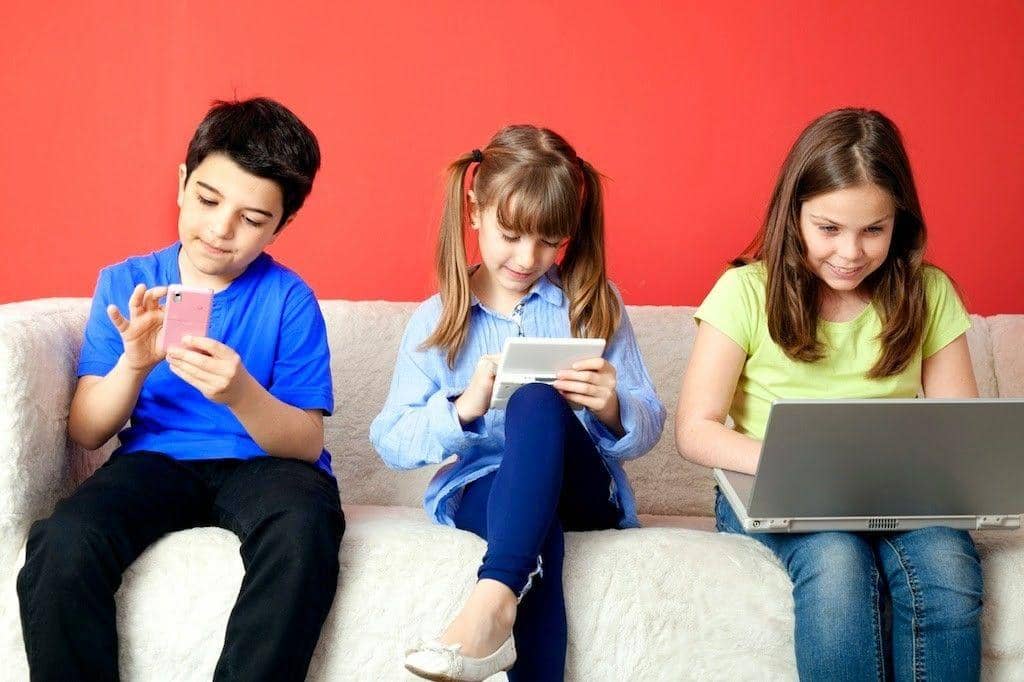
Unlike previous generations who encountered technology gradually, Gen Alpha is the first generation born inside a digital ecosystem. They are the "iPad kids" a term that did not emerge without reason. As an illustration, in the United States, 51 percent of children aged 8 and under now own their own mobile device, and tablet ownership among 2-year-olds has reached 40 percent, up from less than 1 percent in 2011 (from The Common Sense Census 2025, Common Sense Media). Children aged 8 to 12 spend an average of 4 hours and 44 minutes per day in front of screens (Common Sense Media, 2025).
As a result, the figures they see on screen carry increasing influence over how they understand the adult world. The content they consume created largely by their parents, who are predominantly Millennials and Gen Z, is laden with narratives of working women's lives.
The Cultural Shift in Roleplay Across Generations
"Playing House": The Roleplay of Previous Generations
For Millennials and Gen Z who grew up in the 1990s to early 2000s, the most popular roleplay for girls was "playing house" or "playing mother." The scenarios were nearly uniform: someone played the mother, someone the husband, someone the child. The "mother" cooked in the toy kitchen, swept the house, and waited for the "husband" to come home from work.
That kind of play reflected how the role of women was understood at the time: closely tied to domestic affairs and caregiving. The 1980s and 90s were still strongly marked by associations between womanhood and the domestic sphere.
The Working Woman: Gen Alpha's Roleplay
Now, those scenarios have shifted. Gen Alpha children, especially girls, are acting out entirely different narratives:
This trend emerged organically among Gen Alphas on various platforms, such as @w*d*p*r*m*n*0427 on TikTok and @sh*k.*m*p on Instagram. Their posts went viral not only because they were adorable, but also because they felt so familiar to parents, as well as Gen Z and Millennials watching.
Why the Shift? Reading the Demographic Changes in the Female Workforce
Millennial and Gen Z Women Dominating the Workforce
This shift is difficult to separate from the figures Gen Alpha most frequently sees in daily life: their parents, who are predominantly Millennials and Gen Z.
In Indonesia, the results of the 2025 Inter-Census Population Survey (SUPAS) released by the Central Statistics Agency (BPS) place Gen Z as the largest group at 24.93 percent, followed by Millennials at 24.34 percent, out of a total population of 284.67 million (reported by BPS via CNBC Indonesia, May 2026). Together, they make up nearly half of Indonesia's population, and they are at peak productive age.
Another relevant finding comes from a study by Vero Advocacy and Kadence International: 88 percent of Gen Z and 89 percent of Millennials in Indonesia identify employment issues as one of the most pressing challenges they face (citing Kadence International, 2024). This finding affirms that for Indonesia's younger generations, both women and men, work occupies a central place in their concerns and life priorities, not merely as an afterthought.
More Women in the Workforce
Statistically, Indonesian women are now far more active in the workforce than in previous generations. World Bank data records that 39.36% of Indonesia's total labor force in 2024 was female — a figure that has been gradually increasing over the past two decades.
In education, Indonesian women now even surpass men in School Participation Rates (APS) across all age groups. Citing BPS's publication Women and Men in Indonesia 2025, in the 7 to 12 age group the female APS was recorded at 99.42 percent compared to 99.04 percent for males, and in the 16 to 18 age group, 79.56 percent compared to 76.21 percent for males. This pattern of female advantage is consistent across every school-age group (BPS, Women and Men in Indonesia 2025, as summarized by GoodStats). This is a historic shift: women, once portrayed as household managers, are now the ones earning the most academic degrees.
These changes are clearly visible in Gen Alpha's daily lives: they grow up watching mothers, aunts, older sisters, and female adult figures around them leave for work every morning. Not as something hidden or exceptional, but as something ordinary and normal.
The Psychological Foundations of This Phenomenon
Living Among Figures to Imitate
Before we rush to worry about this phenomenon as a sign of "children losing their childhood," there is scientific grounding to understand.
Albert Bandura, in his Social Learning Theory (1977), argued that children learn by observing and imitating the behavior of people around them — especially figures with greater authority or status, such as parents, teachers, and admired figures. This process is called observational learning or modeling.
In the legendary Bobo Doll experiment (Stanford University, 1961), Bandura and his team demonstrated that children aged 3–6 significantly imitated the behaviors they witnessed in adults, even without being instructed or rewarded to do so. This is fundamental evidence that imitation is the most natural learning mechanism for children.
When Gen Alpha plays roleplay as working women, they are trying to understand the adult world through play — integrating what they witness into the world of their imagination and games.
What Children Learn Through Roleplay
Claudia Vlaicu, in her research "The Importance of Role Play for Children's Development of Socio-Emotional Competencies" (Logos Universality Mentality Education Novelty: Social Sciences, 2014), affirms that roleplay is one of the most powerful socio-emotional development tools available to children.
Through roleplay, children:
- Develop empathy by placing themselves in another's perspective
- Practice emotional regulation like how to respond to pressure, expectations, and social situations
- Build understanding of the social norms operating in their community
- Sharpen problem-solving skills in scenarios that are safe and free of real consequences
What changes across generations is not the psychological function of roleplay — that remains the same. What changes is the content of the roleplay, which reflects the shifting social norms that children witness.
Play as Practice for Adulthood
Lev Vygotsky, the highly influential Soviet developmental psychologist, held that imaginative play brings children into what he called the "Zone of Proximal Development" — the zone where children operate one step ahead of their current actual capacity. In roleplay, children think, speak, and behave like a more mature version of themselves.
A study of 454 young children in Lithuania published in Frontiers in Psychology (2023) reinforces this finding: the level of a child's roleplay ability is statistically and significantly positively correlated with their self-regulation capacity. Citing the study's conclusion: the better a child performs in play activity, the higher the level of self-regulation they develop.
When children play at being workers who must complete tasks or work overtime, they are exploring the concept of responsibility within a safe and imaginative space.
The Digital Dimension: Content as a New Social Mirror
There is one element that distinguishes Gen Alpha from every previous generation: digital content as a mediator of socialization.
Millennials and Gen Z witnessed social roles primarily through real life around them like family, neighbors, the surrounding environment. Gen Alpha witnesses them from two sources simultaneously: real life and the digital content they consume for hours every day.
This trend of playing working women has lived and spread primarily on TikTok and Instagram Reels, the spaces where short-form video content dominates children's consumption. Content produced by Millennial and Gen Z women, including GRWM videos for the commute to work and "Day in My Life as a Working Woman" formats, makes up a large part of what Gen Alpha watches on both platforms.
This creates a digitally amplified social learning ecosystem: their parents work in the real world, and the content they watch reinforces the same narrative. It is no wonder that this imagery then reappears in their play.
The Indonesian Context: Between Aspiration and Reality
This phenomenon carries particular relevance in Indonesia, where tensions between traditional expectations and shifting women's roles are still strongly felt.
Indonesian women are increasingly educated and increasingly entering the labor market. At the same time, expectations to remain the primary household managers have not fully disappeared, meaning many Millennial and Gen Z Indonesian women live out two roles simultaneously: as professional workers and as mothers and family managers.
Gen Alpha witnesses all of this dynamic. They see their mothers leave for work early in the morning, come home in the afternoon or evening, sometimes bring work home and still be the present mothers they need. It is no surprise that the image of the "working woman" becomes a figure they admire and, in their world of play, want to take on as an identity.
Reading the Change Behind Children's Play
For Parents
This phenomenon shows that children absorb the social changes happening around them. It is a confirmation that children are growing in the way they should — observing, interpreting, and playing in line with the cultural context they are living in. What matters for parents is ensuring that the narratives children see are not only about hard work and overtime, but also about balance, fulfillment, and meaning in work.
For Researchers and Academics
This phenomenon opens up a fascinating area of research: how do the shifting gender norms of one generation concretely become internalized in the play behavior of the next? Longitudinal research examining the correlation between types of children's roleplay and their career aspirations in adulthood would be highly valuable.
For Marketers and Brands
Gen Alpha growing up with the "working woman" narrative as a role model has implications for the preferences and aspirations of future consumers. They will very likely become a generation with higher work literacy from an early age, and will respond to brand narratives that are authentic, purposeful, and celebrate women's independence.
Conclusion
Children's play is often one of the simplest ways to see social change in motion.
When Gen Alpha plays "GRWM for work" and pretends to work overtime with expressions that are serious yet still utterly adorable, they are doing something deeply important both psychologically and socially: they are processing the world they see, trying to understand what it means to be an adult woman in Indonesia today.
The world Gen Alpha sees today is a world that places women as active participants in education, work, and public life. That image is now close enough to their everyday experience that it has made its way into the games they create themselves.
References
Bandura, A. (1977). Social Learning Theory. Prentice Hall.
BPS – Statistics Indonesia. (2025). Results of the 2025 Inter-Census Population Survey (SUPAS). Jakarta: BPS. Accessed via CNBC Indonesia: https://www.cnbcindonesia.com/news/20260505133822-4-732406/ri-dikuasai-gen-z-milenial-minggir
BPS – Statistics Indonesia. (2025). Women and Men in Indonesia 2025. Jakarta: BPS. https://www.bps.go.id/id/publication/2025/12/15/509d5515c907856280ad4f58/perempuan-dan-laki-laki-di-indonesia-2025.html
Common Sense Media. (2025). The Common Sense Census: Media Use by Tweens and Teens. Data summary: https://sqmagazine.co.uk/generation-alpha-statistics/
demandsage. (2025). Generation Alpha Statistics (citing GWI data). https://www.demandsage.com/generation-alpha-stats/
Frontiers in Psychology. (2023). Pretend play as the space for development of self-regulation: cultural-historical perspective. Frontiers in Psychology, 14. https://doi.org/10.3389/fpsyg.2023.1186512
Kadence International & Vero Advocacy. (2024). Indonesia's Youth Is Pioneering Progress Amidst Challenges. https://kadence.com/knowledge/indonesias-youth-is-pioneering-progress-amidst-challenges/
McCrindle Research. (2025). Generation Alpha Defined. https://mccrindle.com.au/article/topic/generation-alpha/generation-alpha-defined/
Techpoint Africa. (2025). Generation Alpha Demographics (citing GWI data). https://techpoint.africa/guide/generation-alpha-demographics/
Vlaicu, C. (2014). The Importance of Role Play for Children's Development of Socio-Emotional Competencies. Logos Universality Mentality Education Novelty: Social Sciences. https://doi.org/10.18662/LUMENSS.2014.0301.14
Vygotsky, L. S. (1978). Mind in Society: The Development of Higher Psychological Processes. Harvard University Press.
World Bank. (2024). Labor Force, Female (% of Total Labor Force) – Indonesia. https://data.worldbank.org/indicator/SL.TLF.TOTL.FE.ZS?locations=ID
Yus Faizah, F., Isbah, M. F., & Azca, M. N. (2026). Understanding Young People not in Employment, Education or Training in Indonesia: Gendered Transition in the Changing Cultural Context. SAGE Journals. https://doi.org/10.1177/11033088251345645