- Measure the resale price ratio. Monitor the brand's product listings on preloved marketplaces, then compare resale prices with original prices by product line and against competitors in the same category. This step costs almost nothing and immediately shows which lines pass the test.
- Map the second buyer's conversation. Reviews and listing descriptions reveal which associations endure after a product has been used, and these are often missed if monitoring focuses only on the brand's official channels.
- Remove uncertainty. Care guides, material information, and proof of authenticity help products last longer and change hands more easily.
- Only then consider a resale or take-back program. The available research has not shown that resale models automatically increase a brand's loyalty, revenue, or environmental performance in Indonesia. This step should therefore begin with a small-scale pilot with indicators set from the outset.
Thrifting: A Brand Equity Test That Advertising Cannot Buy
14 min read
Intinya Sih
Brand is among the strongest drivers. In a survey of 390 Gen Z consumers who had thrifted, brand had the strongest relationship with purchase intention, while social media influencers were the factor with the weakest influence.
The result of this test returns to the checkout. Some consumers globally already consider resale value when buying new items.
Trust comes from fellow buyers. Electronic word-of-mouth (eWOM) has a significant effect on purchase intention for second-hand clothing.
Uncertainty is what holds consumers back. Hygiene, stigma, authenticity, and the legality of an item's origin deter some consumers. This is the area most easily filled by whoever holds the brand's reputation.
This section summary was AI-assisted and reviewed by our editorial team.
A single preloved jacket from a thrift shop can offer several reasons to buy. For one consumer, the price is more affordable. For another, the brand provides status or a style that is hard to find in regular stores. For yet another, buying second-hand feels more in line with concern for the environment.
When that jacket was first sold, the brand had many tools to shape its value: advertising, influencers, store displays, and launch discounts. When the same jacket changes hands, all of those tools stop working. The second buyer judges only what remains: the quality that has endured, the name that is still recognized, and the associations that are still desirable.
This is where thrifting becomes a test of brand equity, that is, the added value attached to a product because of its brand. This test cannot be bought with an advertising budget, and its outcome helps determine subsequent sales.
A Test That Takes Place Without Advertising
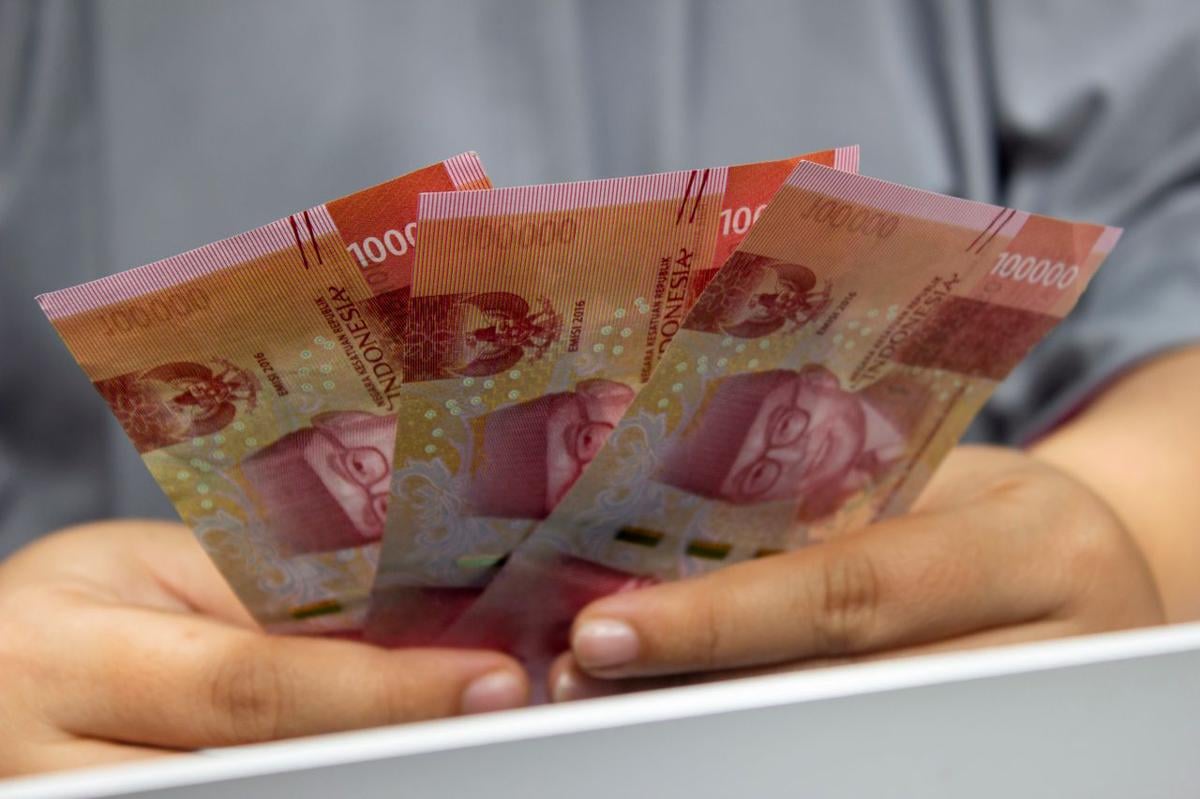
In a store, the brand sets the price. In the thrift market, buyers and sellers set it without the brand's intervention. The gap between the original price and the resale price therefore becomes the market's verdict on what remains of a brand after its product has been used.
David Aaker's brand equity framework helps in reading this verdict. Brand awareness is visible when buyers search for second-hand items by brand name. Perceived quality is visible when a product remains in good condition and sought after after use. Brand associations are visible when a second-hand brand still gives a sense of confidence and status. Brand loyalty is visible when owners take care of a product so that it can be resold. Other proprietary brand assets, such as trademarks, are visible in how easily an item's authenticity can be verified.
This lens has an empirical basis. A report by BCG and Vestiaire Collective in October 2025, based on a survey of 7,800 resale consumers, found that 66% of respondents first discovered or purchased a brand through the second-hand market, up from 59% in 2022. Among Gen Z, the figure is around 80%. More than half of respondents chose to buy a second-hand premium brand over a cheaper new alternative.
The finding most relevant to this thesis is that some consumers already consider resale value when buying new items: 25% of respondents in the United States and 19% in Europe. In other words, the results of the test in the second-hand market feed back into decisions at the checkout. BCG therefore advises brands to maintain the resale value of their flagship products in order to strengthen their appeal and protect brand equity. It should be noted that the respondents in this survey are members of the Vestiaire Collective community outside Indonesia, who are more familiar with high-end brands than the general population.
Second-Hand Goods, Moving Up in Status
A qualitative study published in Frontiers in Communication on 9 September 2026 interviewed seven Gen Z thrifters aged 22 to 26 in Greater Jakarta (Jabodetabek). Participants linked the habit to affordable prices, product quality, identity expression, environmental awareness, and engagement with digital media. Style uniqueness also emerged as a recurring reason.
Symbolic value appeared when participants discussed branded clothing. One participant said she felt more confident wearing thrifted branded clothing because the item was unique and rarely owned by others. The researchers also noted that second-hand branded goods can confer status without having to be bought at the price of new items.
Because it involved only seven participants, this study cannot be statistically generalized. However, a similar pattern appears in larger samples. A survey by Wijayanti and colleagues of 390 Gen Z Indonesians who had thrifted found that perceptions of second-hand clothing, consumer lifestyle, and brand had a positive effect on purchase intention, with brand as the strongest factor.
Research by Maulydia and Aditya in PENG: Jurnal Ekonomi dan Manajemen, involving 400 Gen Z respondents in Jakarta with a purposive sample, adds another layer. Price, fashion involvement, and environmental awareness had a significant effect, both partially and simultaneously, and together explained 75.9% of the variance in purchase intention in the research model.
The implication for marketers: price is only one of several sources of value in preloved goods. Brand, scarcity, uniqueness, and the experience of the hunt also shape their appeal. Brands entering the preloved channel need to preserve this sense of discovering rare items, for example through curation or limited-quantity releases, rather than uniform discount racks.
Messages That Work When Advertising Stops
A research dataset published on Mendeley Data on 1 June 2026 offers another perspective. An online survey of 250 Gen Z consumers in Jakarta, Bandung, and Medan tested the effects of electronic word-of-mouth (eWOM), financial pressure, and environmental concern on purchase intention for second-hand clothing, through the variables of attitude, subjective norms, and perceived behavioral control.
The results showed that eWOM and environmental concern had a significant effect through the mediating variables tested. Financial pressure, meanwhile, showed no significant effect, either direct or indirect. Financial pressure measures a sense of being financially strained, whereas the appeal of low prices is a different concept, so this result does not contradict the study of 400 Gen Z consumers in Jakarta that found an effect of price on purchase intention.
The Frontiers study shows a similar pattern regarding trust. Participants relied more on recommendations from friends, buyer reviews, and user-generated content than on influencer promotions. The study of 390 Gen Z consumers also placed influencers as the factor with the weakest influence. Influencer promotion is the form of exposure that brands can buy most easily, yet its influence was recorded as the smallest. What matters more is the experience of other consumers, which cannot be ordered through a contract.
The role of the environment is not uniform. The Frontiers study found that environmental awareness was less often the initial reason participants started thrifting, but it still played a role as they made sense of and sustained the habit. A 2022 Milieu Insight survey of 1,000 Indonesian respondents recorded low prices as the most common reason for buying second-hand fashion, with 25% citing environmental reasons. A study by Syahrivar and colleagues of 225 second-hand clothing buyers even found that ecological concern was negatively related to purchase intention.
For brands, two things follow from these findings. Investing in an ecosystem of reviews, buyer photos, and referral programs is more relevant for this category than relying on influencers. And sustainability is safer positioned as a reinforcing message: the value that is felt immediately, such as price, style, and the condition of the item at hand, with sustainability as an additional reason that keeps consumers coming back.
What Holds Consumers Back
A 2022 GoodStats survey of 261 young respondents found that 34.5% had never tried buying second-hand fashion, and 16.1% said they would never try. Syahrivar and colleagues noted that second-hand clothing in Indonesia is still associated with an unhygienic image and can be linked to low social status. Ilmalhaq and colleagues summarized similar barriers from earlier studies: hygiene concerns, social expectations, and low awareness of sustainable consumption. In the luxury segment, authenticity is a concern in its own right.
There is no recent representative survey that directly measures these barriers. However, the pattern is consistent: what holds consumers back is uncertainty. Uncertainty is most easily resolved by the party that holds the reputation. Cleaning and grading standards, authenticity guarantees, and clear information on an item's origin are ways in which brand equity lowers purchase barriers.
Origin Is Also Put to the Test
Trade data show that the value of second-hand goods depends heavily on their origin. Citing Databoks, which processed data from Statistics Indonesia (BPS), Indonesia imported 1,840 tons of used clothing and other used textile goods in 2025, down 52.4% year-on-year (yoy). On the other hand, their value rose 31.5% yoy to US$1.97 million, the highest since the 2020 pandemic. Taiwan was the largest source of imports by volume, while the United Kingdom was the largest by value.
Calculations by the IDN Research Institute from the same data reveal the gap. Goods from Taiwan were worth an average of about US$0.54 per kilogram, while goods from the United Kingdom were worth about US$26 per kilogram. The United Kingdom accounted for less than 1% of volume but contributed roughly one-fifth of import value. This category includes used textile goods other than clothing, and import value reflects value at the port of entry, which differs from the price on the seller's rack. Therefore, these data are not sufficient to conclude that consumers are now seeking more expensive second-hand clothing, nor to measure the size of the thrifting market.
Origin also concerns legality. In February 2026, Minister of Trade Budi Santoso explained that imports of shredded worn clothing from the United States, which are part of Indonesia and the US's reciprocal trade agreement, may only be used as industrial input, with a Surveyor Report in the country of origin as a condition of entry. Imports of ready-to-wear second-hand clothing remain prohibited under Law No. 7 of 2014 on Trade. Citing ANTARA, the government seized 21,054 bales of imported second-hand clothing worth Rp120.6 billion between October 2024 and October 2025.
This context helps distinguish three pathways that are often conflated. Reuse means clothing is worn again in its entirety. Resale means clothing changes hands through buying and selling, whether from local consumers' wardrobes or from imports. Recycling means clothing is broken down and processed into raw material. Some participants in the Frontiers study even preferred local thrift because they considered the transportation emissions of imported goods.
For brands, resale from domestic consumers' wardrobes does not intersect with the import ban, making it a clearer entry point from a regulatory standpoint. Partnering with sellers whose goods have unclear origins carries both reputational and compliance risks.
Who Has Already Made a Move
Tinkerlust shows that authentication is part of value. The platform, founded in 2016, began its business in preloved luxury fashion with a consignment system, guarantees the authenticity of all items sold, and in 2023 reported more than 2.2 million users and a 750% increase in GMV over five years. In the luxury brand segment, resale value depends on trust in authenticity.
Sejauh Mata Memandang shows that extending product life can serve as proof of positioning. Together with EcoTouch, the brand has run a clothing recycling program since 2021, and in 2024 it launched the Kembali Baik repair program together with Mulih. Along the same lines, RE.UNIQLO collects used Uniqlo clothing through in-store boxes for reuse and recycling.
Pasar Senen and Gedebage show the limits of price substitution. In November 2025, the Ministry of Micro, Small and Medium Enterprises recruited 1,300 local producers to supply thrifting traders who had been selling imported second-hand clothes. Because traders are accustomed to buying bales priced at Rp2 million to Rp5 million, the ministry asked local brands to prepare similar packages modeled on the bale system. Some traders received the idea with skepticism. Bale-style packages can match the price and volume, but thrift buyers also look for brand, scarcity, and the experience of the hunt. As of this writing, the IDN Research Institute has found no public data on the results of the program.
For Brands: Where to Start
Some consumers already think in terms of the product life cycle. Participants in the Frontiers study considered unused clothing to still hold economic value and therefore better sold, and they took care of their belongings so that they could later be resold. For brands, a more fundamental question than whether or not to join in selling second-hand goods is: what keeps our products valuable after the first transaction? The sequence below is arranged starting from the cheapest step.
What Remains After the First Transaction
Framing thrifting as a choice between status and sustainability oversimplifies consumer behavior. Affordability, identity, and environmental concern can be present at the same time, with different weights for each person. At the same time, the label "second-hand" does not automatically guarantee that an item is more sustainable.
The economic value of a preloved product is determined by many things at once: price, brand, scarcity, condition, provenance, and the journey it has already made. The fact that the item has been used is only one part of the story.
Advertising can shape a brand's value at the first transaction. The thrift market shows how much of that value endures afterward, and the answer returns to the checkout at the next sale.
References
Aaker, D. A. (1991). Managing brand equity: Capitalizing on the value of a brand name. Free Press.
Addressing the dilemma of thrifting. (2025, November 14). ANTARA News. Retrieved September 24, 2026, from https://en.antaranews.com/news/391721/addressing-the-dilemma-of-thrifting
Ahdiat, A. (2026, August 14). Nilai impor pakaian bekas ke Indonesia meningkat pada 2025 [The value of second-hand clothing imports to Indonesia increased in 2025]. Databoks. Retrieved September 24, 2026, from https://databoks.katadata.co.id/perdagangan/statistik/6a7ebb003e547/nilai-impor-pakaian-bekas-ke-indonesia-meningkat-pada-2025
Hidayah, F. N. (2023, June 2). Ada 49,4% masyarakat Indonesia pernah melakukan thrifting [49.4% of Indonesians have thrifted]. GoodStats Data. Retrieved September 24, 2026, from https://data.goodstats.id/statistic/ada-494-masyarakat-indonesia-pernah-melakukan-thrifting-sP7wi
Ilmalhaq, A., Pradana, M., & Rubiyanti, N. (2024). Indonesian local second-hand clothing: Mindful consumption with stimulus-organism-response (SOR) model. Discover Sustainability, 5. https://doi.org/10.1007/s43621-024-00481-2
Kementerian UMKM ajak pedagang thrifting Pasar Senen beralih ke produk lokal [The Ministry of MSMEs invites Pasar Senen thrifting traders to switch to local products]. (2025, November 18). Tempo. Retrieved September 24, 2026, from https://www.tempo.co/ekonomi/kementerian-umkm-ajak-pedagang-thrifting-pasar-senen-beralih-ke-produk-lokal-2090737
Kementerian Perdagangan Republik Indonesia. (2026). Mendag jamin impor baju bekas cacah AS tak rembes ke pasar [Trade Minister guarantees imports of US shredded second-hand clothing will not leak into the market]. Retrieved September 24, 2026, from https://www.kemendag.go.id/index.php/berita/pojok-media/mendag-jamin-impor-baju-bekas-cacah-as-tak-rembes-ke-pasar
Maulydia, A., & Aditya, F. (2026). Pengaruh price, fashion involvement, dan environmental awareness terhadap minat beli pakaian thrifting (Studi pada Generasi Z di Jakarta) [The influence of price, fashion involvement, and environmental awareness on purchase intention for thrifted clothing (A study of Generation Z in Jakarta)]. PENG: Jurnal Ekonomi dan Manajemen, 3(2). Retrieved September 24, 2026, from https://garuda.kemdiktisaintek.go.id/documents/detail/6526171
Milieu Insight. (2022). Indonesia: Reasons for shopping second-hand fashion 2022 [Statistic]. Statista. Retrieved September 24, 2026, from https://www.statista.com/statistics/1366444/indonesia-reasons-for-shopping-second-hand-fashion/
Moizant, F., Krueger, F., Martinez-Pardo, C., Dupreelle, P., Vitrani, J., Gardet, C., Wone, D., Hebrard-Lemaire, A., Baz, D., Dietze, E., & Lasa Aresti, M. (2025, October 9). Resale's next chapter: How fashion and luxury brands can win in the secondhand market. Boston Consulting Group. Retrieved September 24, 2026, from https://www.bcg.com/publications/2025/how-fashion-luxury-brands-can-win-secondhand-market
Pedagang Pasar Senen ogah pindah dari thrifting ke brand lokal [Pasar Senen traders refuse to move from thrifting to local brands]. (2025, November 19). Tirto.id. Retrieved September 24, 2026, from https://tirto.id/pedagang-pasar-senen-ogah-pindah-dari-thrifting-ke-brand-lokal-hl8h
Sejauh Mata Memandang. (n.d.). DAUR program: Sejauh Mata Memandang's eco-conscious clothing recycling. Retrieved September 24, 2026, from https://sejauh.com/pages/program-daur-ulang-pakaian
Sustainable fashion consumption in Indonesia: Exploring drivers of second-hand clothing purchase intention among Gen Z consumers (Version 1) [Data set]. (2026). Mendeley Data. https://doi.org/10.17632/7js773dzgg.1
Swarnawati, A., Mulyana, A., Patrianti, T., Milana, R., & Ridha, M. (2026). Exploring thrifting practices among Generation Z in greater Jakarta: A perspective on social practices and environmental communication. Frontiers in Communication, 11, 1841240. https://doi.org/10.3389/fcomm.2026.1841240
Syahrivar, J., Kusuma, K., Pahlevi, R. A., Wei, Y., Chairy, C., & Genoveva, G. (2023). No longer look down: Investigating second-hand clothing purchase in Indonesia. International Review on Public and Nonprofit Marketing, 20(2). https://doi.org/10.1007/s12208-022-00341-7
Terisno, E. A. (2024, April 21). Edukasi reparasi pakaian persembahan Sejauh Mata Memandang [Clothing repair education presented by Sejauh Mata Memandang]. Dewi Magazine. Retrieved September 24, 2026, from https://www.dewimagazine.com/news/edukasi-reparasi-pakaian-persembahan-sejauh-mata-memandang/
Tinkerlust. (n.d.). Tinkerlust [Mobile app]. Google Play. Retrieved September 24, 2026, from https://play.google.com/store/apps/details?id=com.tinkerlust.tinkerlust&hl=en_US
Tinkerlust luncurkan aplikasi jual beli preloved luxury fashion pertama di Indonesia [Tinkerlust launches Indonesia's first preloved luxury fashion buying and selling app]. (2023, March 14). Indozone Tech. Retrieved September 24, 2026, from https://tech.indozone.id/gadget/921042476/tinkerlust-luncurkan-aplikasi-jual-beli-preloved-luxury-fashion-pertama-di-indonesia
Uniqlo Indonesia. (n.d.). RE.UNIQLO. Retrieved September 24, 2026, from https://www.uniqlo.com/id/id/special-feature/sustainability/re-uniqlo
Wijayanti, A., Prinia, N., Sufaisal, Hidayat, Z., & Aras, M. (2022). 'Thrifting' as fashion trend among Gen-Z: Factors influencing purchase intention on second-hand clothing in Indonesia. Zenodo. https://doi.org/10.5281/zenodo.7330808