Baca artikel IDN Research Institute lainnya di IDN App
It helps you see more of our articles when you search on Google
School Bullying Cases in Indonesia Rise Sixfold
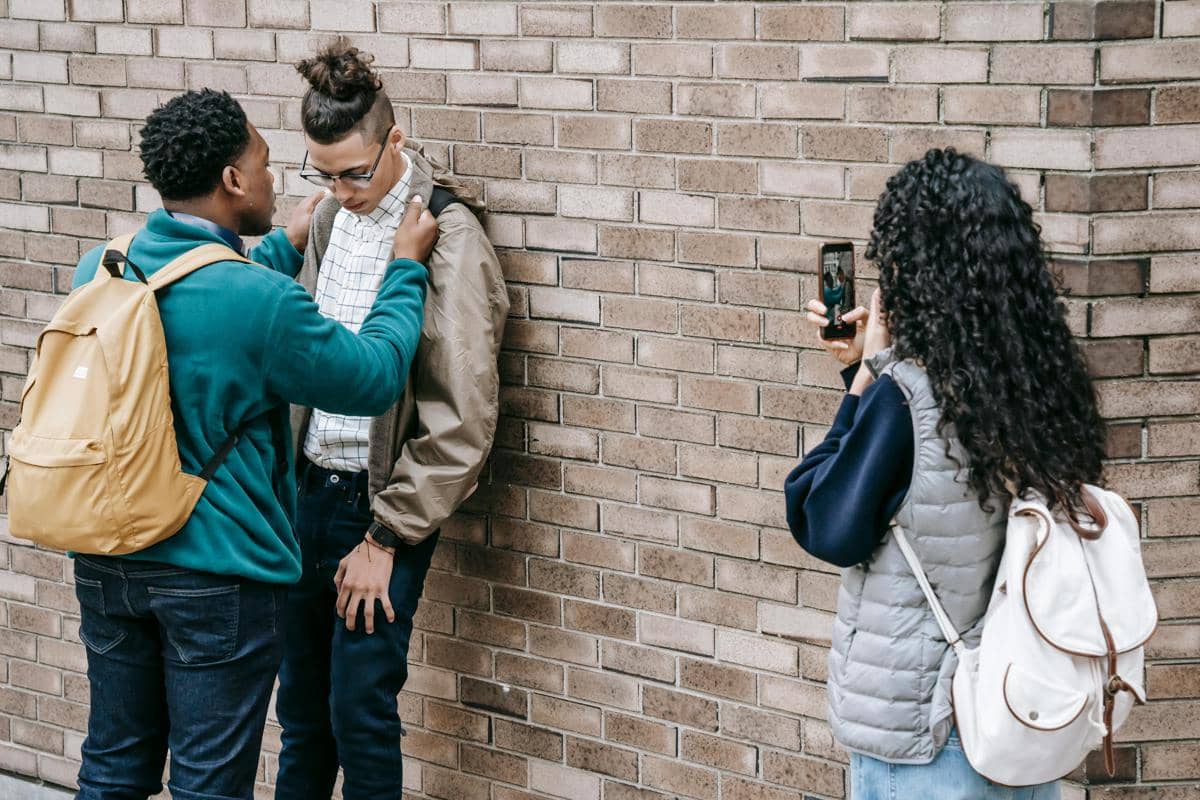
Bullying (https://www.pexels.com/search/bullying/)

Key figures to remember:

  • 573 cases of school violence throughout 2024, up approximately 100% from the previous year

  • More than 50 child violence reports to police per day in February 2026

  • 43.9% of perpetrators of violence in schools are teachers or educational staff

  • 45% of UNICEF U-Report respondents reported having experienced cyberbullying

  • 41.1% of Indonesian students have experienced bullying (PISA 2018), ranked fifth out of 78 countries

For brands: safe spaces, peace of mind for parents, and measurable CSR are the three most relevant pillars of engagement.

For policymakers: child-friendly reporting systems, psychological screening for teachers, and operational digital regulation are urgent priorities.

Disclaimer: This was created using Artificial Intelligence (AI)

The latest data shows a persistently rising trend of violence in educational settings since 2020. Here are the implications for brands targeting families and young people, as well as for policymakers.

Cases of violence in Indonesia's educational settings have risen sharply over the past five years. The Indonesian Education Monitoring Network (JPPI) recorded a surge from 91 cases in 2020 to 573 cases in 2024, and bullying remains one of the most frequently experienced forms of violence among students, both in the classroom and in digital spaces.

For schools, parents, the government, and brands targeting the family and youth segments, this trend constitutes both a market context and a policy context that needs to be taken seriously.

The Number of School Violence Cases Keeps Growing

Year

Number of Cases

2020

91 cases

2021

142 cases

2022

285 cases

2024

573 cases

2025

641 cases

Source: JPPI (processed)

JPPI data shows an increase in cases of violence in educational settings over the past five years. Over that period, the number of cases rose approximately sixfold, from 91 cases in 2020 to 573 cases in 2024, continuing to 641 cases in 2025. In 2024, of the 573 cases recorded across schools, madrasas, and Islamic boarding schools, bullying accounted for 31%. Together with sexual violence at 42%, these two were the most dominant forms of violence.

As a note, JPPI data is compiled from media coverage and public complaint channels, not a census. Part of the increase also reflects a growing willingness to report following the issuance of Minister of Education, Culture, Research and Technology Regulation Number 46 of 2023 on the prevention and handling of violence in educational units.

More Than 50 Child Violence Reports Reach Police Every Day

Data from the National Criminal Information Center (Pusiknas) of Bareskrim Polri provides a picture from the law enforcement side. In just the first five days of February 2026, police received 267 reports of violence against children, or an average of more than 50 reports per day.

From those reports:

  • 293 children were recorded as victims

  • 61.77% of victims were female

  • 28.52% of the 305 reported perpetrators were still enrolled as students

Since nearly a third of perpetrators came from the same age group as the victims, most of this violence occurs among children and adolescents themselves.

Perpetrators of Violence Are Not Only from Among Students

One important finding from JPPI data is that perpetrators of violence do not always come from among fellow students. Of all cases recorded in 2024:

  • 43.9% involved teachers or educational staff

  • 13.6% were carried out by fellow students

  • 39.8% came from other groups, such as security staff, parents, seniors, or school gangs

Since perpetrators are spread across various positions, bullying prevention needs to reach the entire educational ecosystem, and it is not sufficient to direct it only at students.

Cases Are Spread Across Many Provinces

Cases of school violence appear in many regions, with the highest concentration on the island of Java. The five provinces with the most cases in 2024:

  • East Java, 81 cases

  • West Java, 56 cases

  • Central Java, 45 cases

  • Banten, 32 cases

  • DKI Jakarta, 30 cases

This distribution shows that the problem is systemic and not limited to any single region.

Physical Bullying Dominates, Cyberbullying Grows Fastest

Based on data from the Indonesian Child Protection Commission (KPAI) and the Indonesian Teachers' Federation (FSGI), the most frequently occurring forms of bullying are:

  • Physical bullying: 55.5% (beatings, kicking, and other physical violence)

  • Verbal bullying: 29.3% (insults, mockery, exclusion)

  • Psychological bullying: 15.2%

The fastest-growing trend is in digital spaces. A SAFEnet report recorded that cyberbullying rose by more than 100% in the first quarter of 2024, reaching 480 cases. Technological developments mean that bullying no longer stops at the school gate.

A UNICEF U-Report poll of 2,777 respondents aged 14 to 24 found that 45% of respondents reported having experienced cyberbullying. Data from the Ministry of Women's Empowerment and Child Protection (KemenPPPA) records that the largest group of victims is in the 18 to 25 age bracket (57%), followed by children under 18 (26%).

Cases That Attracted Public Attention

Throughout 2024, several cases of violence in educational settings drew national public attention.

February 2024, Binus School Serpong, Banten. A victim identified by the initials RE experienced verbal bullying from their first day at school, eventually becoming the target of a beating by 20 to 30 students. Police named 12 people, consisting of four adults as suspects and eight children in conflict with the law.

August 2024, the Anesthesiology Specialist Doctor Education Program (PPDS) at Diponegoro University (Undip), Semarang. Aulia Risma, a student in the Specialist Doctor Education Program (PPDS), was found dead amid allegations of bullying and extortion during her studies. Her case drew attention after her diary was revealed, and police subsequently named three suspects. The Ministry of Health received 2,621 reports related to PPDS programs through the end of March 2025, with 620 of them categorized as bullying. This figure shows that bullying also occurs at the higher education level.

November 2024, an elementary school in Subang, West Java. AR, nine years old, died after being beaten by three of his upperclassmen when he refused to hand over his pocket money. He suffered irreversible brain injury.

Most recently in June 2026, a bullying victim from SMA 2 Bantul, Yogyakarta, spoke out about what they had experienced during their school years. The bullying left deep psychological wounds, requiring the victim to seek help from a psychologist and a psychiatrist.

The Impact of Bullying on Mental Health and Education

Various studies show that victims of bullying have a higher risk of experiencing depression, anxiety, sleep disorders, a decline in academic performance, and difficulty building self-confidence.

UNICEF and WHO note that victims of cyberbullying have a higher risk of experiencing mental health problems compared to those who have never experienced it.

At a broader level, data from the OECD's Programme for International Student Assessment (PISA) 2018 recorded that 41.1% of Indonesian students had experienced bullying. This figure is well above the OECD country average of 22.7% and places Indonesia fifth highest out of 78 countries surveyed. This finding indicates that the problem is related to culture, the education system, and parenting patterns, and therefore cannot be explained through economic factors alone.

What This Means for Brands

Bullying is a relevant context for many brands, particularly those targeting the youth segment, parents, and the world of education. Several opportunities can be read from this data.

Safe spaces as added value. Young consumers tend to choose ecosystems, not just buy products. Brands that consistently maintain safe spaces, both physical and digital, build higher levels of trust. This applies to educational platforms, social applications, school supplies brands, and children's health products. The practical step is to audit whether the platform or digital community has an anti-bullying mechanism that actually functions, and not stop at community guidelines that are rarely read.

Parents as decision-makers. Because violence occurs in all types of educational institutions, from schools to madrasas to Islamic boarding schools, no segment of parents feels truly safe. Brands that position themselves as a source of peace of mind have the opportunity to build long-term loyalty. Child protection themes can serve as a differentiator, particularly for Fast-Moving Consumer Goods (FMCG), insurtech, edtech, and telecommunications brands.

Measurable CSR. Genuinely measurable anti-bullying campaigns are still rare. Brands can take a leadership role through sustained programs, not only ceremonial campaigns on International Anti-Bullying Day every October. Partnerships with JPPI, KPAI, or schools for education programs, teacher training, and reporting systems can deliver more tangible impact.

A growing mental health services market. The impact of bullying on mental health opens up a market for services that remain underserved in Indonesia. Brands in the health, insurtech, or wellness sectors that enter this segment have the opportunity to build social relevance alongside market share.

Consistent digital narratives. Cyberbullying grows on the same platforms where brands advertise. Young consumers are increasingly critical, meaning brands that do not have a clear stance on digital violence risk being seen as indifferent.
What Policymakers Need to Do

Child-friendly reporting systems. Many cases are never reported because victims do not know how, feel afraid, or do not trust existing mechanisms. Reporting systems that are easy to access, for example through an app, WhatsApp, or anonymous channels, can encourage more reports to come in.

Strengthening the role of teachers. Because nearly 44% of perpetrators of violence in schools are teachers, two steps are needed simultaneously: psychological screening for prospective educators and retraining for those already teaching. The Ministry of Primary and Secondary Education's (Kemendikdasmen) plan to add counseling teachers needs to be accelerated and budgeted.

Digital regulation that takes children's side. Cyberbullying is growing faster than regulation. The Electronic Information and Transactions Law (UU ITE), updated in 2024, is a first step, but its implementation at the school level remains limited. Schools need technical guidelines for responding to cyberbullying cases, including coordination with digital platforms.

An ecosystem approach. Data shows that bullying grows from the environment, whether from family or from a school system that does not yet have early detection in place. Effective prevention programs connect parents, teachers, students, schools, and the community within a single integrated framework.

Data transparency. The Aulia Risma case shows that educational institutions tend to cover up cases to protect their reputation. Independent audit mechanisms are needed so that violence data can be reported honestly without fear of retaliation.

What Can Be Done Now

The trend in school bullying cases shows that child protection remains a major challenge in Indonesia. The numbers are consistently rising, perpetrators are spread across various positions, and the impact extends to mental health and academic performance.

Improvement requires the simultaneous involvement of many parties: a government that seriously develops regulation and oversees its implementation, educational institutions willing to be transparent, brands that use their influence to promote healthier social norms, and a society that stops treating bullying as a normal part of school life. Since a reactive approach is not enough, what is needed is an easily accessible reporting system, sustained anti-violence education, and safer learning environments.

If you or someone close to you needs help related to mental health, the Ministry of Health's counseling service can be reached via hotline 119 extension 8.

Data references: Pusiknas Bareskrim Polri (February 2026), JPPI (2020–2025), KPAI and FSGI, SAFEnet (Q1 2024), UNICEF U-Report, KemenPPPA, OECD PISA 2018, WHO, and the Ministry of Health of the Republic of Indonesia.

Editorial Team

Related Article