There are three direct implications of this demographic shift that brands need to consider.
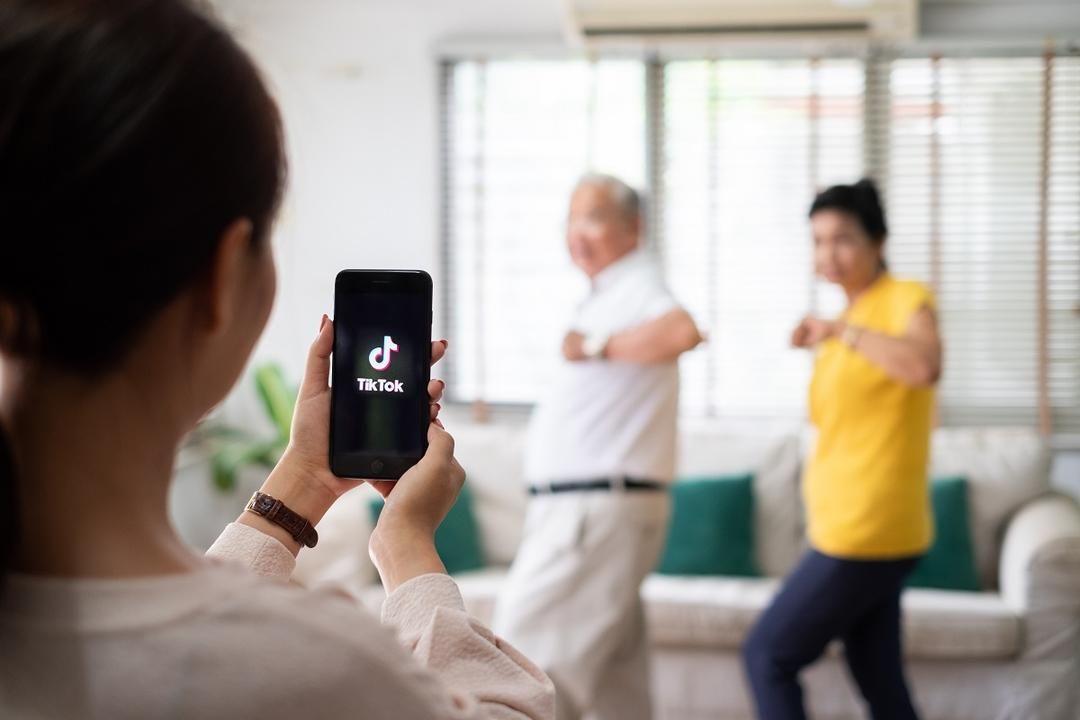
First, "targeting Gen Z on TikTok" is no longer a sharp enough strategy. Of TikTok Indonesia's 108 million users, 43 million—or 40 percent—are aged 35 and above. A campaign that automatically equates TikTok with Gen Z misses the very group that holds the largest household purchasing power.
Second, Facebook should not be crossed off the media plan so quickly. For product categories such as consumer goods, fintech, insurance, and education that target heads of households, Facebook still offers high reach. What has changed is not Facebook's relevance in absolute terms, but its audience profile.
Third, social commerce is not just a young people's story. Indonesia's social commerce reached USD 14.8 billion in 2024 and is growing 34 percent per year, with TikTok Shop leading the market at a 43 percent share, according to Hashmeta (2025). Importantly, most of that purchasing power sits within the 25 to 44 age group—precisely the group rarely described in everyday narratives as a "social media market." On top of that, 72 percent of Indonesian consumers trust user-generated content more than content created directly by brands, making strategies that rely on creators from relevant age groups increasingly important.
This also aligns with brand discovery data. Social media ads (37.3 percent) and social media comments (32.6 percent) have become the second- and third-largest sources of brand discovery, just behind search engines (38.3 percent), according to Digital 2026: Indonesia. In other words, social media has become the starting point of the purchase journey—and that starting point is now passed through by every age group.