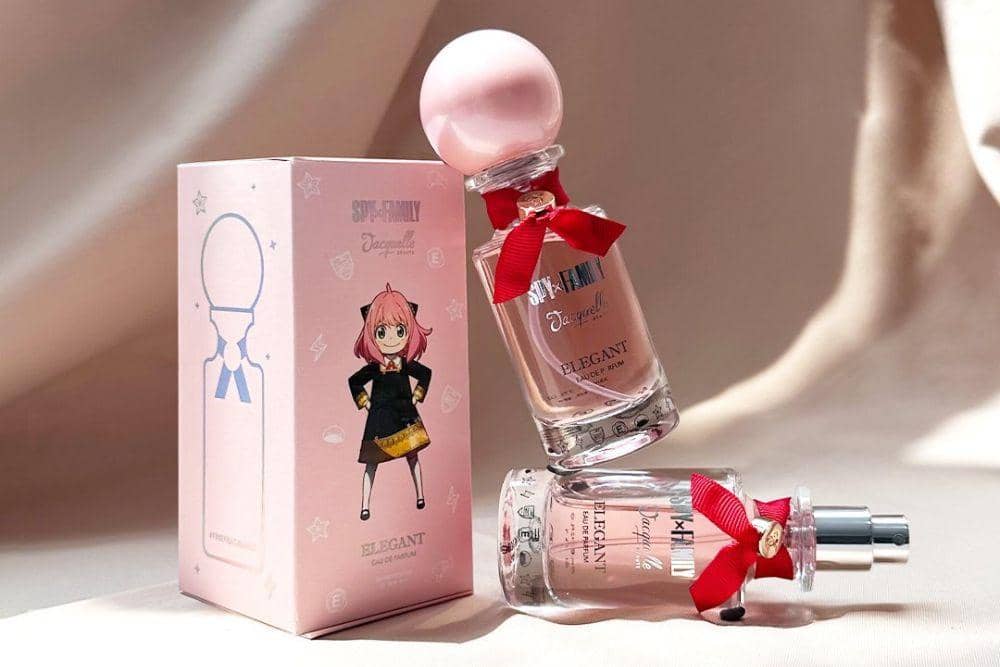
The fourth-grader who once wore a perfume designed specifically for children now wants something different because their friends wear it.
Not because they are seeking comfort spending amid economic pressure. Not because they understand what adultification is. The reason is at once far simpler and far more systemic: the algorithm shows the same content to everyone regardless of age, parents have unknowingly planted an emotional association with fragrance long ago, and clever brands know exactly how to touch that point.
Indonesia has its own Sephora Kids. They smell of viral perfume, not drugstore foundation. They stand in line for hours on a Saturday morning, some from distant cities, for a small bottle that promises something bigger than mere scent: recognition, community, and identity.
The question is no longer whether this phenomenon deserves attention. The question is who is willing to take part of the responsibility for making sure these children are safe within it.
Sources:
Braun, J. M., Sathyanarayana, S., & Hauser, R. (2013). Phthalate exposure and children's health. Current Opinion in Pediatrics, 25(2), 247–254.
Hales et al. (2025). TikTok teen skin care routines are harmful. Northwestern University.
McDonough, M. (2024, April). The connections between smell, memory, and health. Harvard Medicine Magazine.
Sullivan, R. M., Wilson, D. A., Ravel, N., & Mouly, A.-M. (2015). Olfactory memory networks: From emotional learning to social behaviors. Frontiers in Behavioral Neuroscience, 9, 36.
The Benchmarking Company. (2024, August). Gen Z's & Alphas' parents tell all on their kids' beauty obsessions. Global Cosmetic Industry.
erder, E. J., Lu, K., Liu, C.-W., Thistle, J. E., Rager, J. E., Li, G., Wu, Z., Li, T., Wang, L., Sandler, D. P., Gilmore, J. H., Piven, J., Zhu, H., Lin, W., & Engel, S. M. (2025). Early life phthalate exposure impacts gray matter and white matter volume in infants and young children. Environmental Research, 279, Article 121826.